

Written by Charlie Hills and Jordayne Rennie
Explore insights from the 2026 IMA Europe Summit in London, including AI in incentives, European consumer trends, reward choice and successful incentive campaigns.
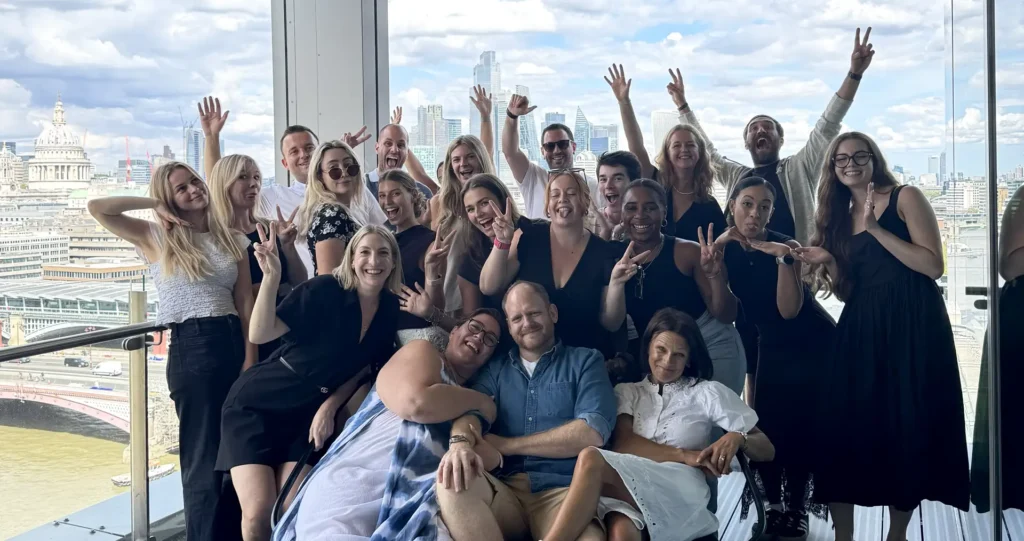
We were lucky enough to enjoy two brilliant days at the Incentive Marketing Association (IMA) European Summit in London. The conference was fantastic – packed with great speeches, lots of interesting research and tangible proof of how rewards and incentives are driving business growth in challenging times – not to mention a community of over 300 expert delegates and speakers who all had lots to say. We thoroughly enjoyed ourselves.
IMA Europe Summit 2026: Highlights from Both Days
Here are our highlights – Jordayne’s key highlights from day 1, and Charlie’s key highlights from day 2.
Day 1 at the IMA Europe Summit: Connecting 2026
Day 1 of the summit was centred around the theme “Connecting 2026: The Future of Incentives” and for me it kept coming back to one question: how do we create meaningful connections when consumers are already overwhelmed by communication?

Creating Meaningful Connections with Consumers and Employees
I went expecting plenty of conversation about AI and technology and there was certainly no shortage of it. What I came away thinking about was people. The more technology we have to help us connect with consumers and employees the more important it becomes to make sure those connections are relevant and worthwhile.
The challenge isn’t connecting. It’s connecting well.
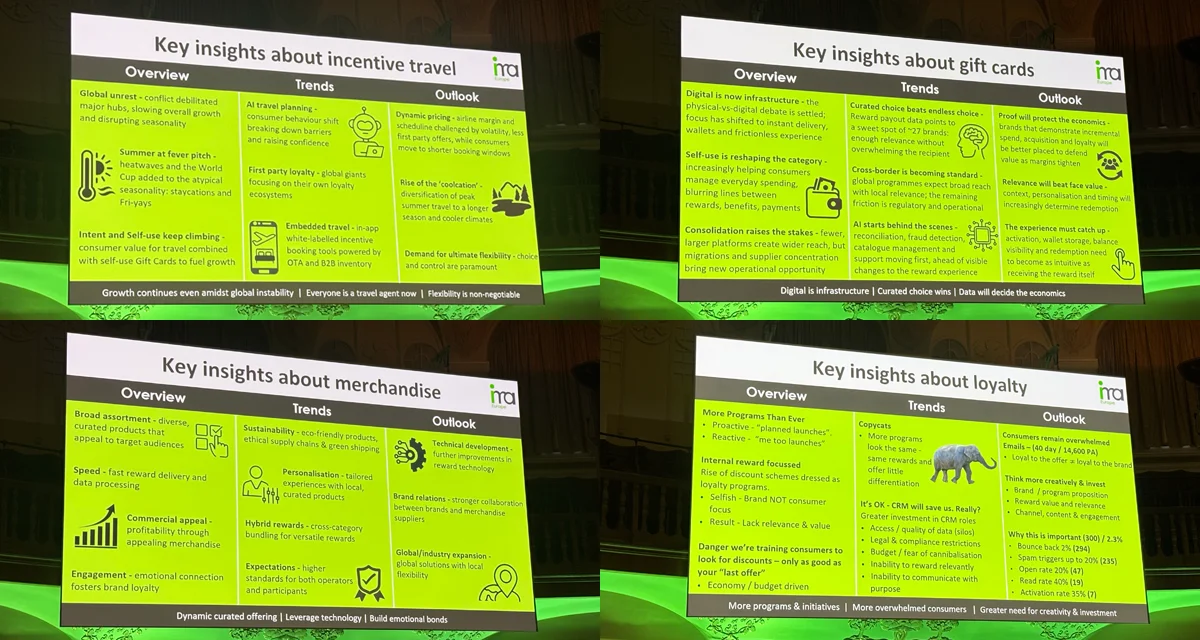
We have never had more ways to communicate with people. Brands can personalise offers, predict behaviour and remind us about rewards yet consumers are also increasingly overwhelmed by the amount of communication they receive. That came through in a conversation around CRM becoming oversaturated and loyalty not always being communicated in the right way.
For me the opportunity is not simply more communication. It is making the communication we already have more relevant, useful and timely.
AI, Personalisation and Data Privacy in Incentive Programmes
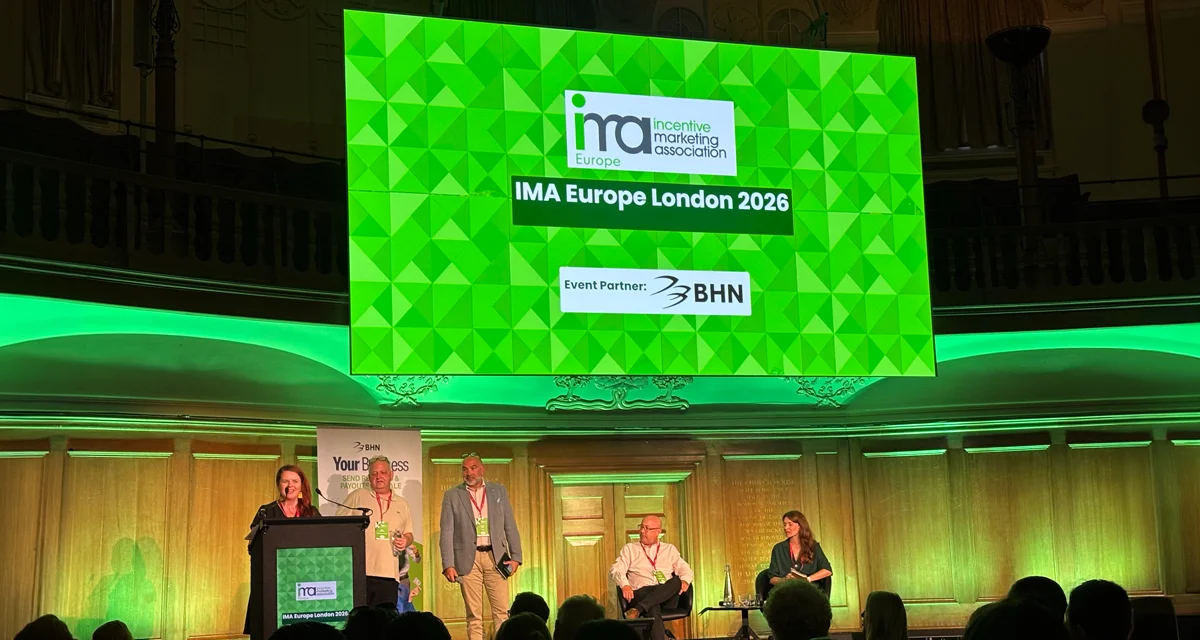
One of the first big conversations of the afternoon came from Lara Lewington, who explored AI and the changing ways we connect with brands, employers and each other. One phrase that stayed with me was the idea that we need to “be at peace with the data we’re handing over.”
We’re already handing over huge amounts of information in exchange for convenience and personalisation. As AI becomes increasingly embedded in the experiences we create the question isn’t whether we should use it but whether we’re using that information in a way that genuinely benefits the person we’re trying to connect with.
That becomes particularly interesting when we look at personalisation. There was discussion about using AI to predict what might happen next and deliver personalised reminders about rewards. In theory this could make loyalty communications much more useful but there is a fine line between useful personalisation and something that feels intrusive.
Good personalisation should feel like a brand understands you rather than like a brand is watching you.
Travel, Choice and Local Relevance in Incentive Programmes
Travel was another theme that caught my attention. People are still looking for experiences despite economic pressures but long weekends, staycations and the idea of the “coolcation” show how quickly behaviour is changing. The examples of Greece in March and Scotland in August demonstrate why cultural relevance matters.
If we’re designing incentive programmes across different markets we need to understand what people actually value locally rather than assuming one reward catalogue will work everywhere. Local gift cards and wallets can help give people more choice while making rewards feel more relevant to the market.
There was also an interesting example of planting a tree for event attendees to support efforts around offsetting global emissions. I liked this because it made me think about how incentives can create an impact beyond the reward itself. Recognition and rewards don’t necessarily have to stop at the individual receiving them.
Practical AI Applications in Incentives: The Giffy Session
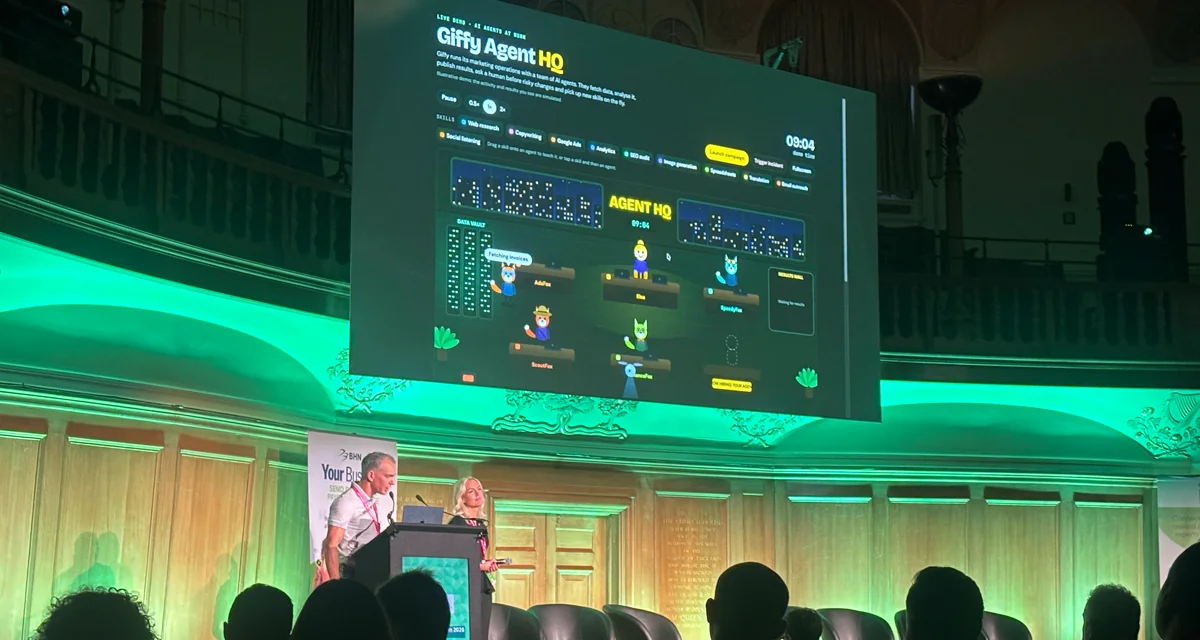
The Giffy session, “Connecting through technology: AI in incentives: practical applications right now”, brought the AI conversation down to a practical level. Giffy provides a white-label solution for rewarding and appreciating employees and during the session the team demonstrated how Claude and AI agents are being used across areas including marketing strategy, SEO, Google advertising and budget management.
One example stood out to me, AI can move money between advertising campaigns within a pre-set budget but cannot change the overall budget. Rather than handing over complete control you’re giving the technology a specific responsibility within clearly defined boundaries. The session also raised wider questions around data privacy, B Corp and the environmental impact of AI infrastructure.
Three takeaways really stuck with me, start with routine rather than ambition, decide what an agent can never do before deciding what it can do and remember that AI doesn’t save you from thinking but it moves what happens next.
Connecting Incentives to ROI Through Recognition
Towards the end of the day I briefly joined Session B, “Connecting outcomes to ROI: proving the value of incentives to your customers”. One point that caught my attention was the relationship between points, recognition programmes and the technology supporting them.
There was an example of a leader who was a man of very few words and it made me think about how recognition doesn’t necessarily need to be elaborate to have an impact. Sometimes it is simply about who says something, when they say it and whether they genuinely mean it.
Technology can enable recognition but it can’t manufacture authenticity.
Day 1 Takeaways: Using Technology to Create Meaningful Connections
After a day of conversations about AI, CRM, loyalty, travel, rewards and recognition I think my biggest takeaway is that technology is only part of the conversation. AI will become more capable and businesses will have access to more data and increasingly powerful platforms but none of that automatically creates a better customer or employee experience.
Connection isn’t simply about having the technology to reach someone. It’s about understanding what makes that connection worthwhile.
That was my biggest takeaway from Day 1. The technology gives us more possibilities but it is how we use those possibilities to understand people better that will shape the experiences we create.
Day 2 at the IMA Europe Summit: European Consumer Trends and Rewards
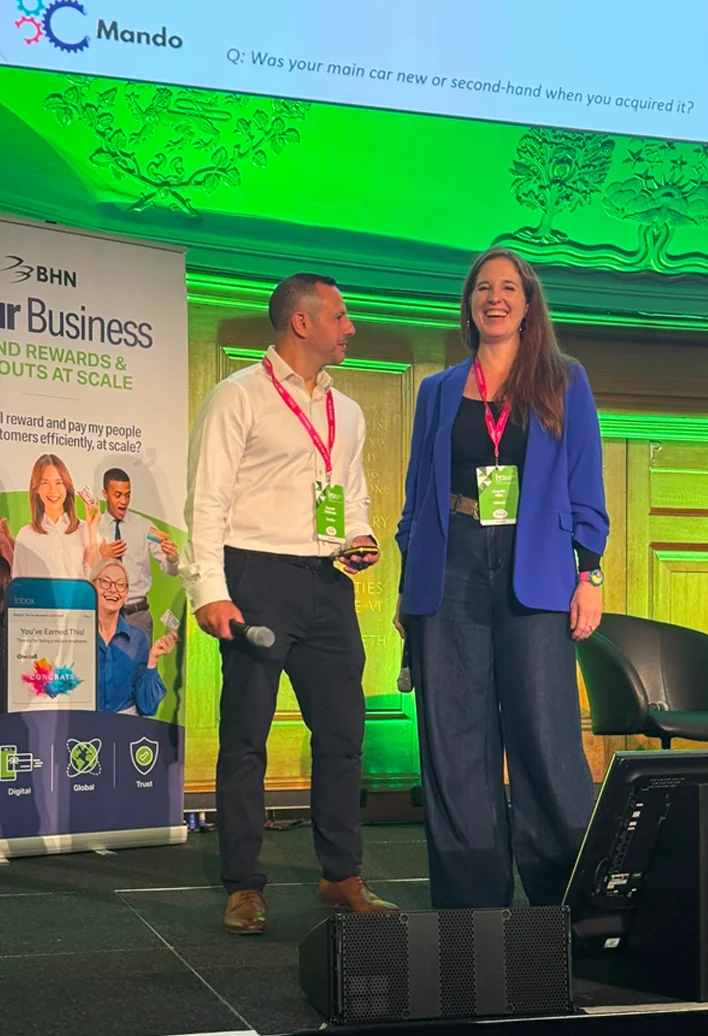
Day 2 was especially exciting for me, as I took the stage alongside Russell Feldman from YouGov to share our insights on how European consumer lives and lifestyles are shifting and what that means for rewards, loyalty programmes, partnerships and incentives today and in the future.

Cost of Living and Consumer Spending Across Europe
Russ and I unpacked fresh data on how the ongoing cost of living crisis and economic uncertainty are altering household spend across Europe. Consumers are cutting back on discretionary spend, but they are also seeking moments of brightness – making the role of clever, well-designed rewards more crucial than ever to balance household budgets and also provide highly desired treats.
We addressed questions such as:
- What’s actually happening to households in this ongoing cost of living crisis across Europe and how are attitudes and behaviours shifting?
- How should you balance offering everyday value vs treats?
- What makes a reward feel like a genuine treat versus a gimmick?
- How to optimise budgets and in particular how time, volume, frequency, and value interact to drive maximum engagement for the exact same reward spend?
- What’s happening in the automotive sector and how to structure aspirational automotive rewards without blowing the budget?
- Do purpose and sustainability matter and should you include them in your programme?
If you’d like the slides or the answers please get in touch with us at Mando as we are happy to share!
IMA Rising Stars Panel: AI, Choice and Human Connection
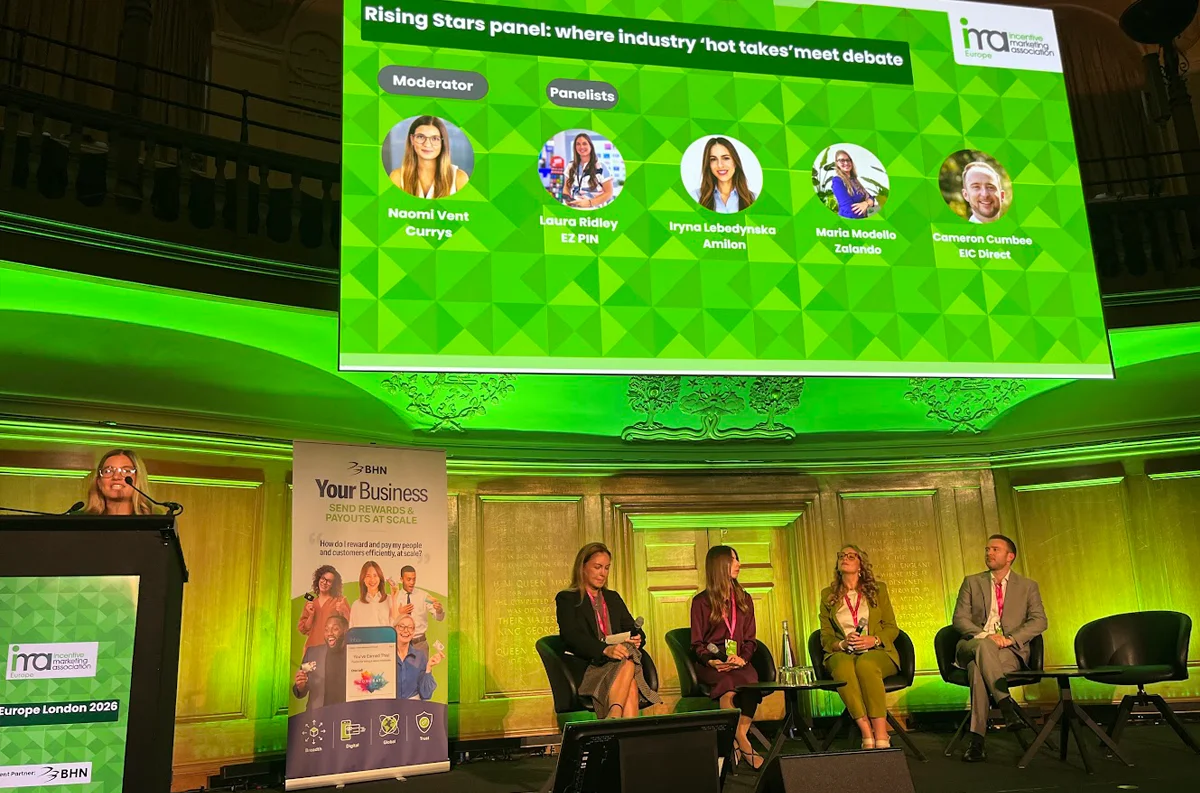
The IMA Rising Stars Panel was another big highlight for me covering hot topics such AI, Choice, Human Connection and physical vs digital rewards. We heard from Naomi Vent (Currys), Laura Ridley (EZ Pin), Iryna Lebedynska (Amilon), Maria Modello (Zalando) and Cameron Cumbee (EIC Direct).
Here were the big conversations:
- Will AI make loyalty programmes more personal, but less human? While AI delivers unmatched scale and personalisation, the panel agreed that human warmth remains irreplaceable. “Human connection is really important in loyalty – a letter with a reward really personalised it for me.”(Laura Ridley)
- Employee Recognition Drives Customer Value. “If your employees don’t feel valued by each other, your customers will never feel valued by your brand. Companies should put more investment into peer-to-peer recognition.” (Maria Modello)
- The Paradox of Choice: Is too much choice actually no choice? Choice is vital, but overloading participants creates friction. “Giving people too much choice isn’t necessarily overwhelming, but one single reward will almost always fail.” Maria Modello. “Choice is valuable, but having too much choice reduces the psychological value of the reward. When you have too many choices, redemption starts to feel like work and we want to avoid that in rewards!” (Iryna Lebedynska)
- Digital vs. Physical Rewards Physical isn’t dead, but digital offers unmatched agility. “Something physical in your hand means more.”(Cameron Cumbee) “There are huge advantages to digital rewards like scale, speed, and instant gratification.”(Iryna Lebedynska)
The Future of Choice in Incentives: Gift Card Redemption Insights
The Future of Choice in Incentives by Samantha Mitchell from Blackhawk Network was also super informative. She presented compelling research drawn from 6,000 gift card users in the UK, underscoring that redemption is an experience, not just a transaction:
- 54% of in-store gift card purchases are driven by a specific intent, compared to 18% online (which are driven by convenience or time pressure).
- When redeeming loyalty points for gift cards, detailed product information is the primary decision trigger (38%), outranking promotions (30%), popularity (28%), or customer reviews (22%).
- Regardless of channel, consumers prioritise ease (+22.4) above brand fit (+14.2) and security (+11.2).
- Top issues include limited choice (19%), activation issues (14%), hidden fees (14%), and unclear restrictions (13%).
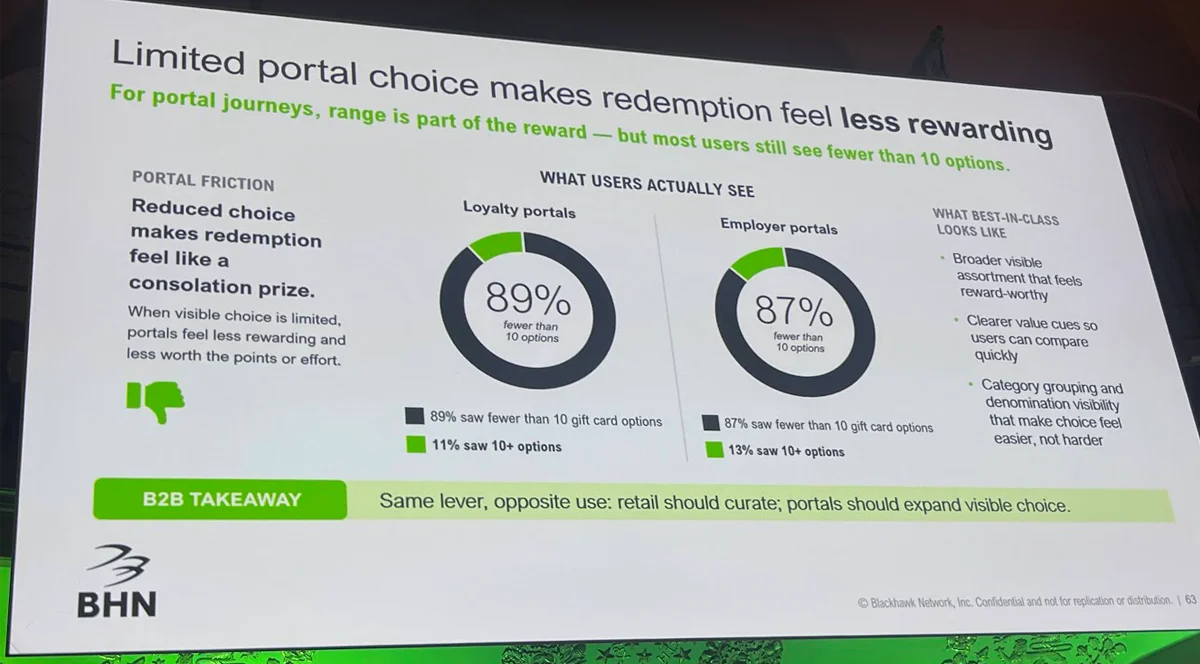
- 89% of loyalty members see fewer than 10 reward options. As Samantha put it: “Reduced choice makes redemption feel like a consolation prize. Winning programmes preserve choice whilst removing friction.”
Award-Winning Incentive Campaigns: Case Studies from Across Europe
We then enjoyed a session where award winners from last year shared some really cool and effective case studies. It was inspiring to see real-world campaign performance. We heard how Lenovo LEAPs “learn, sell, and earn” participant journey drove 10x revenue growth for participating members (and 15x revenue among those who actively engaged in the learning modules).
The Incentive Company showed how a high-impact partner travel event achieved a 217% increase in partner revenue growth by refining the end-to-end participant journey. Rehau Rewards was a similarly great case study, showing how a B2B installer program across 13 Central & Eastern European countries focused on rewarding effort and business support rather than just volume. It achieved a 31.2% overall sales increase.
Gift Card Trends and Consumer Behaviour: Tillo’s Research
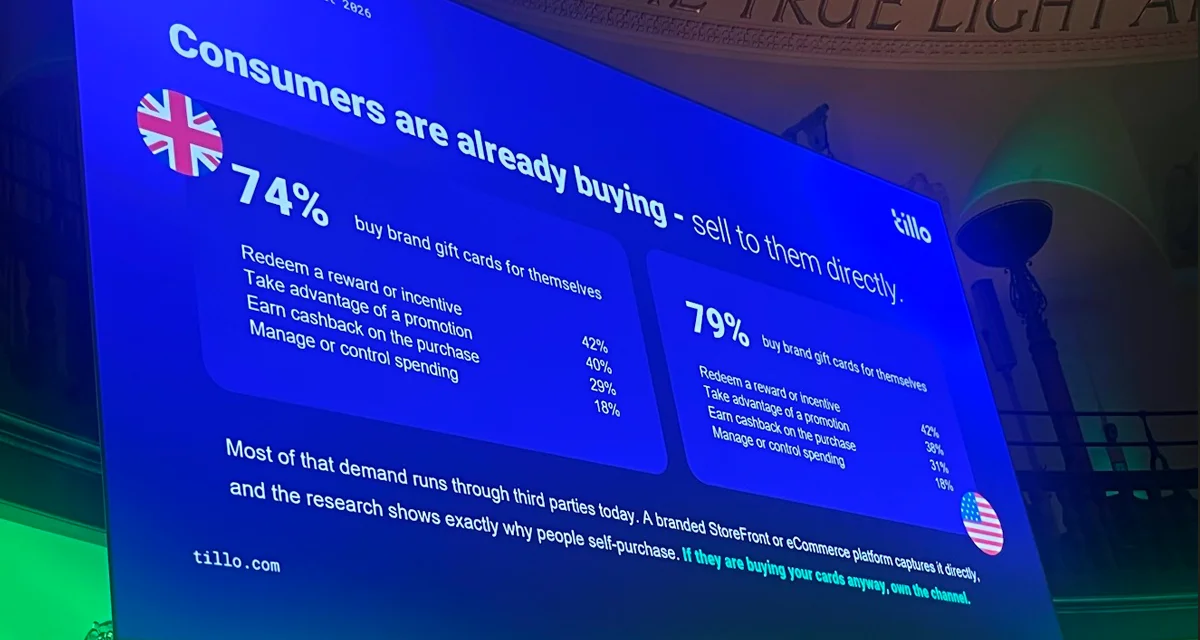
Tillo then shared more research on how gift cards are evolving with some great behavioural stats for us all!
- 74% of Brits buy gift cards for themselves – 42% to redeem a reward, 40% for promotions, 29% for cashback, and 18% to manage spending.
- Gift cards lower trial risk: 92% of consumers are more likely to try a new product when using a gift card.
- 76% say offering a gift card programme increases brand trust.
- 29% are more likely to refer friends after a smooth reward experience.
Closing Reflections from the IMA Europe Summit
We then had a great session on how to stay compliant with AI, a lovely conversation with the IMA board where they discussed everything from the future of incentives to who they would like to take on a desert island with them and some inspiring final remarks from the IMA President.
Thank-you so much to the IMA, the event organisers and hosts, the delegates and all the speakers for such a great event. And on a personal note, huge thanks to YouGov for their amazing insights too! It was a real pleasure collaborating on our European research and delivering the speech together.
If you’d like to discuss how to apply these insights to your loyalty strategy, employee motivation programme, or incentive, rewards or partnership plans, please feel free to reach out to us!