

Written by Isobel Finlayson and Beccy Purvis
Some of the Mando Agency team attended MAD//Fest 2024 and had an exciting few days jam packed full of inspiring speakers, pitches and masterclasses.
First up, Isobel summarises her experience and 5 key take-outs…
“Fortune favours the bold” was the tagline of this year’s MAD//Fest and there were plenty of bold and insightful talks from brands and agencies alike to inspire those in attendance. Purpose appeared to be the thread throughout the event. To quote Eddie Izzard, “Try to include purpose into what you are doing. Social conscious helps humanity. And if we’re not helping humanity, what are we even doing?”
Tony’s Chocolony who are committed to ending slave exploitation and prioritise this messaging in all of their marketing provided the chocolate for the goodie bags. A brilliant talk from Emily Kraftman, Managing Director of Who Gives a Crap, who gave an honest and open account of the successes and challenges to running a business that is built around purpose. Plus, a masterclass on how to build a brand using Banksy as a case study whose values were described as ‘anti-establishment with a social conscious’. Outside of purpose, partnerships and loyalty were the hot topics. ASOS and PepsiCo talks both highlighted the ways that brands can show up in different ways through partnerships. And John Sills, Author of the Human Experience, talked about the need for brands to get the human experience right to drive effective customer engagement.

1. Doing good is good for business
Did you know the founder of Who Gives a Crap pledged to sit on a toilet until he crowdfunded enough money to cover the first production line of loo roll? It took 50 hours to raise £50k. And after all of that, no retailers were interested in stocking their purpose-led product. So they had to think outside of the box and they focused on three areas:
1. Funky designed wrap for the rolls
2. Emergency rolls to indicate when you are down to your last two
3. Turning it into a subscription service
12 years later and Who Gives a Crap has raised AUD 13.3m for charity. It is the no.3 toilet roll brand in the UK. Their NPS scores are consistently over 85. And people are even gifting their loo roll as presents.
Who Gives a crap donates 50% of profits to clean water and sanitation non-profits, and lead with purpose in everything they do. But it doesn’t come without its challenges. They are challenged on their statements and practices and their response is to openly answer and enter into conversation with critics. For example, they have published statements from Water Aid, explained the reasons for working with factories in China and even explained why there were delays to shipping (ironically the whole team picked up a tummy bug on a procurement trip).
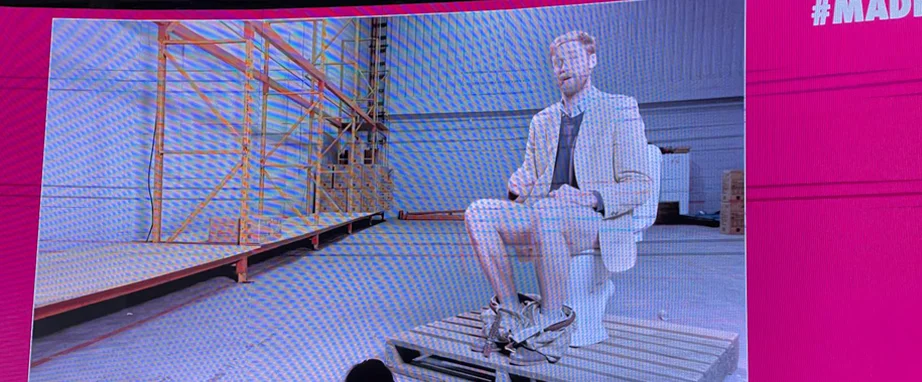
It’s about “being human”, Emily says, who then went onto tell the story of how their first run of loo roll didn’t have any perforations so customers had to cut the loo roll with scissors. They held their hands up, said sorry and refunded their customers. This human experience is expected and appreciated by customers which is why Who Gives a Crap enjoys the success that it does.
Emily finished off by saying their purpose is the number one thing that drives loyalty and is what they are remembered for. It is joyous to see a brand nailing purpose and loyalty as so often we see in our data that Brits want to live sustainably, but their actions not always following intention. It makes me think brands need to bring purpose in much earlier to the planning stage to help drive strong loyalty from the beginning, rather than a bolt on after-thought later down the line.
2. Be more Banksy
“Make Banksy your CMO” says Ian Maskell. Banksy is reportedly worth €1.5bn with net sales of €500 million and has spent €0 on advertising – the best ROI ever? Banksy has created a brand that is rebellious, witty & enigmatic that is anti-establishment with a social conscious and promises to be provocative, authentic and impactful. His social conscious is at the heart of all his creations. So much so, that he has remained anonymous which means his work is not copyrighted and can be licensed for free. If you go onto Amazon, you will see hundreds of sellers who are selling unofficial Banksy merchandise which means his work suddenly becomes accessible to the many (unlike so many of his contemporaries). There are also exhibitions who are showing unauthorised collections of his work. Again, he does not benefit from any of the sales but it is free marketing of his social conscious agenda. Banksy proves that it is possible to put purpose front and centre of a brand, and be really successful in doing so.
3. Partnerships are key to connecting audiences to their passions
Pepsi underwent a huge global rebrand in March this year. Eric Melis, VP Global Brand Marketing, took to the stage, to tell us about the transformation and how Pepsi taps into dynamic culture spaces such as music and sports to connect with people globally. Music and sports, specifically European football, continue to be the most popular cultural spaces with mass audiences. The evolution of the at-home-entertainment experience has meant that cinemas are struggling to compete and attract the same level of attendance pre-Covid. Live music and sports continue to highly engage audiences as they offer up live experiences that are offline moments to connect with others. In a world that is increasingly taken up by smart phones, these IRL experiences are cherished cross-generationally. Eric talked about the need for partnerships to connect audiences to their passions. It is much more efficient all-round for brands to partner up with a brand who already “owns” that space rather than creating something from scratch. Pepsi currently partners with EA Sports, UEFA Champions League and Live Nation to authentically engage fans in the football and music space. Pepsi partnered with UEFA to reduce packaging waste at the Champions League Final in June this year. At 4 of the 5 UEFA Festival locations, Pepsi had dedicated recycling infrastructure to encourage fans to recycle their cups and cans. The recycling experience was gamified with rewarding fans who recycled with a chance to win prizes such as UEFA Champions League custom merchandise and match balls, with a grand prize of a trip to next year’s final in Germany.
4. Partnerships allow brands to show up in different ways to appeal to Gen Z
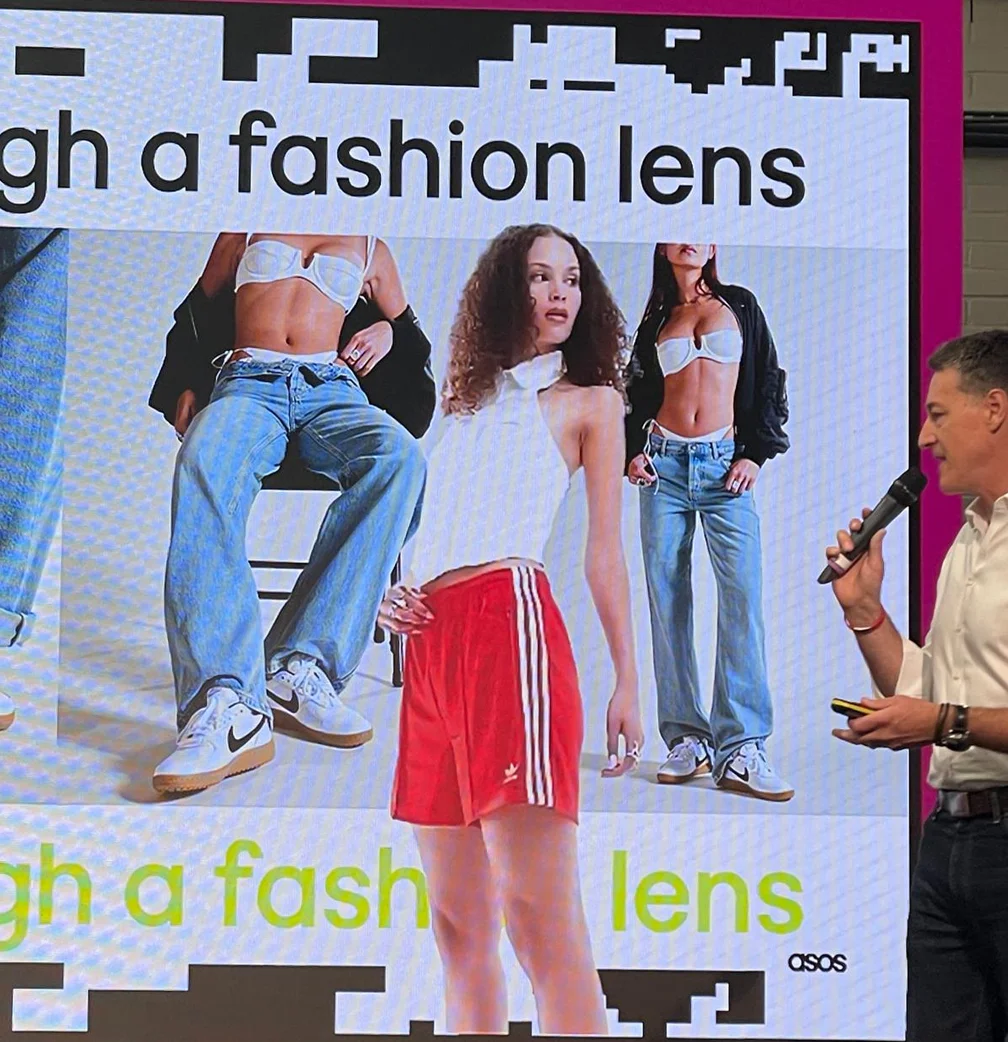
Elton Ollerhead, Director of ASOS, opened up the car bonnet on how ASOS successfully speak the language of ‘fashion-loving-20-somethings’ and it has to do with partnerships. Take the example of Nike. They show up as a fitness apparel brand first and foremost, with sportswear that is designed for sports. Their ambassadors are sporting GOATs such as Serena Williams and Cristiano Ronaldo. Through Nike’s partnership with ASOS, they can express a different more fashion-led version of their brand. A version that allows Nike trainers to be paired with ASOS Design jeans. The same can be said of Adidas, through ASOS, they can pair red Adidas shorts with a Topshop halter-neck top. This a great example of how brand partnerships can help acquire and attract hard to reach audiences, that isn’t going to upset your Brand Director.
5. A human experience will increase customer loyalty
Have you bought a T-shirt online recently? And if the answer is yes, how many emails did you receive afterwards asking you how your experience was, to rate the seller and if you thought of the T-shirt in your dreams. John Sills made the point that asking for customer feedback has got a bit out of hand. It can be pointless, impatient, inappropriate and at times weird. He gave the example of being asked to rate the bin at Heathrow recently, and a. how he’d rather not touch a keypad attached to a bin and b. it’s a bin – why?! These sorts of marketing tactics do the opposite job of keeping customers loyal. Instead, John added, we should be focusing on the human experience. AO.com tell their employees to treat every customer like their nan. Whilst Pret employees are empowered and encouraged to give out free coffees to those who they think deserve it. At Mando, we are big believers in the power of surprise and delight with free treats and work with our clients to create strategic partner rewards that are tailored to their customers’ interests using our robust Insight Engine™.
Beccy found human-centric marketing was the thread of her MAD//Fest experience this year…
It was great to attend MAD//Fest this year and hear from such a wide range of businesses talking about all the good, cool and new stuff they’ve been up to. We also really enjoyed that Tony’s Chocolonely were running another of their golden ticket promotions for attendees. Who doesn’t love a free bar of chocolate, and even more so when there’s the chance to win a prize – instantly!
One key theme of the brand talks we attended was the idea of seeing your consumers as humans. They’re not thinking about or engaging with your brand much of the time at all. In reality, even a super-loyal consumer is living their life prioritising what really matters to them – friends, family and life in general. Time spent with your brand is such a small piece of their pie.
PepsiCo explained how it’s important to learn your consumer’s life tensions and help them solve problems. Know their passion points and be there for moments of enjoyment. Pepsi focus on sport and music in particular and use these platforms to provide better and stronger brand experiences and deeper emotional engagement.

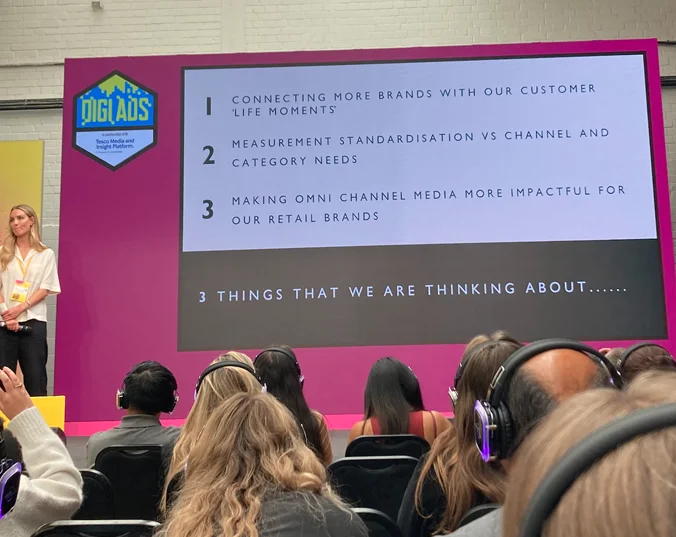
John Lewis concluded their presentation with 3 things they’re prioritising right now and sitting at number 1 is ‘connecting more of their brands with their customer’s life moments’. Again, demonstrating the importance of a deep understanding of your consumers and the right times to be there.
ASOS showed us how other brands are seen on their own websites is very different to how ASOS present them, making them relevant for specific consumer lifestyle occasions. It’s clever to see the value they offer these brands in this way and how effective it is.
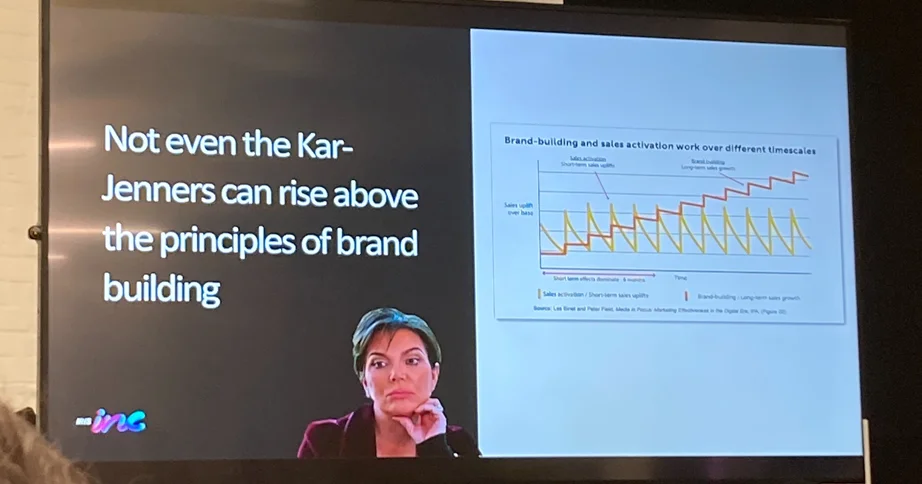
The Strategy Director from Iris Worldwide quoted “not even the Kar-Jenners can rise above the principles of brand building.” This was a really interesting presentation demonstrating how not to build a brand and how Kylie Jenner made her cosmetics brand all about her. Her competitors who really understand their consumer’s lives are the ones winning.
Of course it wasn’t all about putting the consumer’s lifestyle first. Over at the Attention stage, Dino the Founder of The Barber Shop passionately explained that it’s not good enough just to create an attention-grabbing piece of communication and leave it there to work. Reaching the impressions metric has far too much emphasis on it, when it’s THE impression that matters. Referencing some Effie award campaigns he highlighted how we too often are quick to hero short term attention over like-for-like sales.
It was another brilliant event and we’re feeling inspired to create some more human-centric, passion-point focused, effective promotions!