

Written by Jamie Gaskins & Adem Aplin
PI LIVE Europe 2026: Key themes shaping the future of partnerships, performance and customer engagement
PI LIVE Europe 2026 brought together brands, agencies, publishers and technology specialists to explore how rapidly changing consumer behaviours are reshaping performance marketing. Across the sessions at PI Live Europe 2026, one message came through consistently: the customer journey is becoming more fragmented, influence is harder to attribute, and brands need to think beyond the final click.
From understanding Gen Z to navigating AI-driven discovery, the event highlighted the growing importance of relevance, visibility, collaboration and measurable incremental value.
Gen Z marketing: authenticity, usefulness and affordability
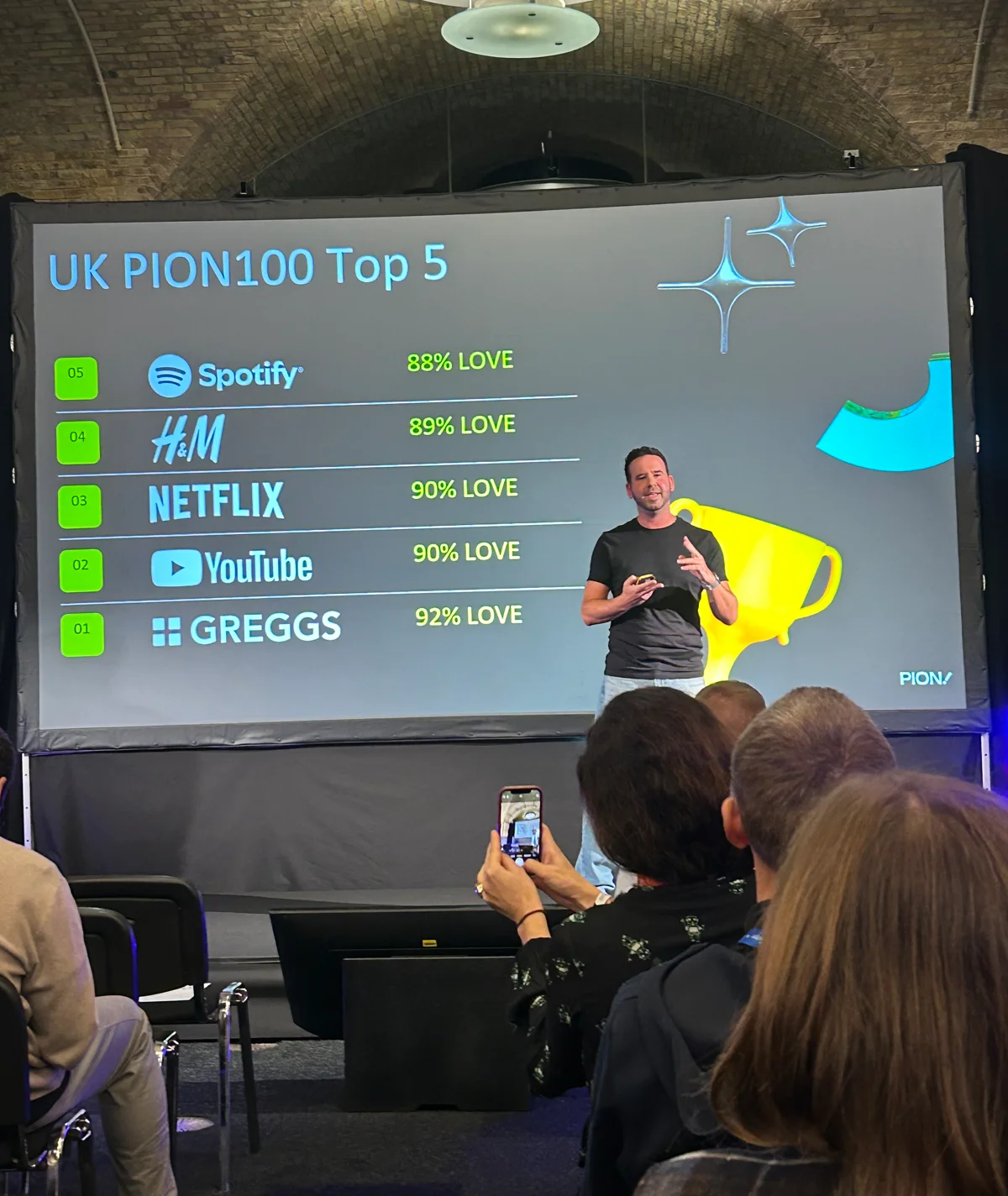
The PION100 session examined the brands resonating most strongly with 16-to-24-year-olds. Greggs, YouTube, Netflix, H&M and Spotify made up the top five, reflecting the importance of brands that provide everyday utility while also playing a meaningful role in customers’ lives.
The discussion introduced the idea of the “grey space revolution”: successful brands do not always fit neatly into a traditional category. Sainsbury’s, for example, can be more than a supermarket. For younger customers, it can be a place where they begin making independent decisions about food, products and the brands they choose. Similarly, Sports Direct can occupy a space between sports retail and fashion.
Nike and Adidas demonstrated two different ways of earning cultural relevance. Nike connected with mainstream popular culture through the Cortez trainer and multiple product drops, while Adidas used the Gazelle and Samba to engage with subcultures such as football and Britpop nostalgia. The comparison showed there is no single formula for relevance, the important thing is understanding the role a brand can authentically play.
The five central lessons were clear: authenticity beats aspiration, grey space beats rigid categorisation, doing one job brilliantly is better than trying to be everything, utility can outperform excitement, and affordability is often the barrier rather than a lack of desire. The session also highlighted different spending profiles among young consumers, with the largest groups approaching spending cautiously or funding their lifestyles independently through work.
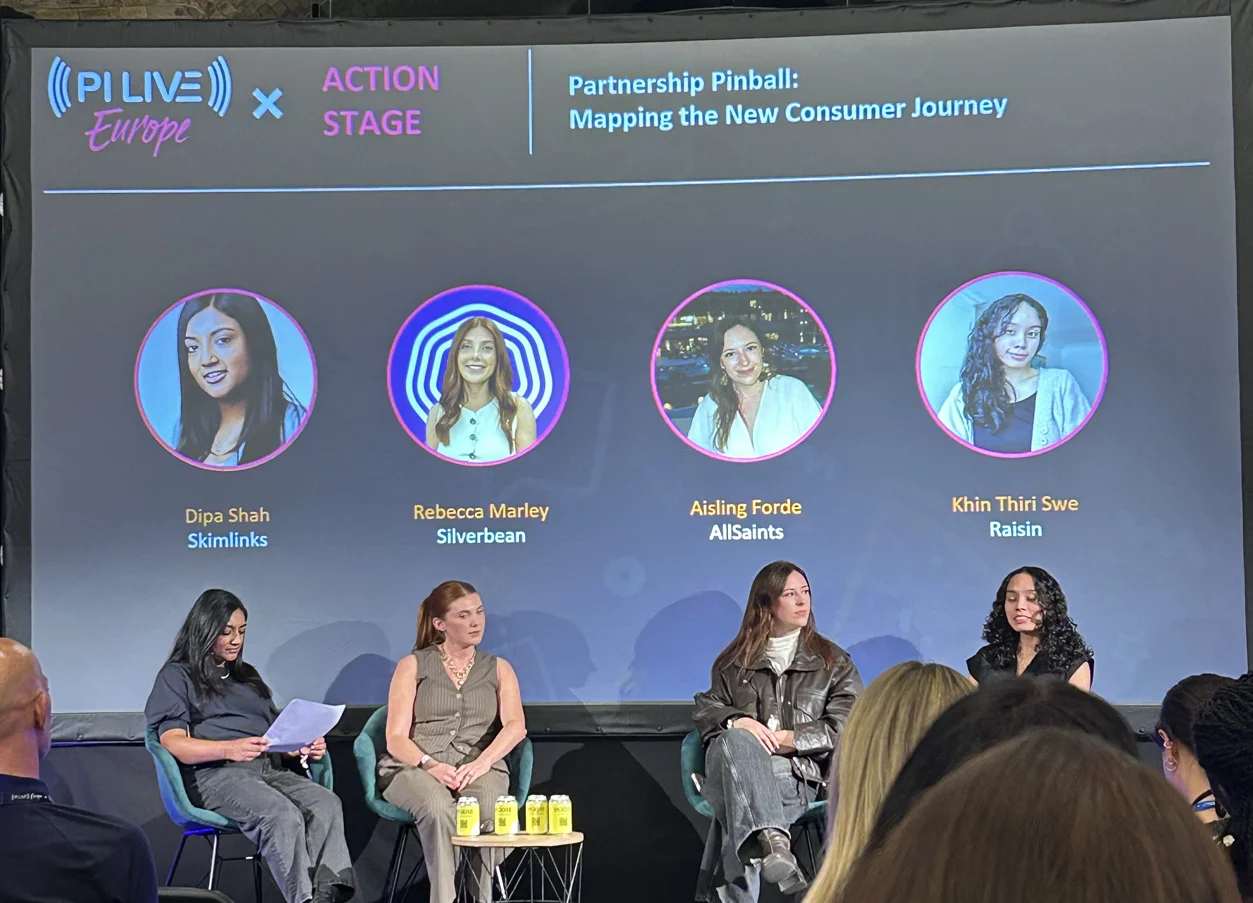
The fragmented customer journey and performance marketing attribution
One of the event’s strongest themes was the increasingly scattered path to purchase. A customer might discover a product through social media, discuss it in a chat, look at competitors, save a screenshot and then complete the purchase weeks later through a different channel.
This “messy middle” creates a major measurement challenge. Social content may have been essential during consideration, but the channel responsible for the final transaction can receive all the credit. Brands therefore need to look beyond last-click attribution and consider visibility, impressions, content engagement, post-click sales and the wider halo effect.
Trust is equally important. Repeated, relevant appearances across the journey can build confidence even when they do not produce an immediate conversion. This means partnership performance should not be judged solely by the number of customers who click and purchase in one interaction.
Agency value and incrementality in performance marketing
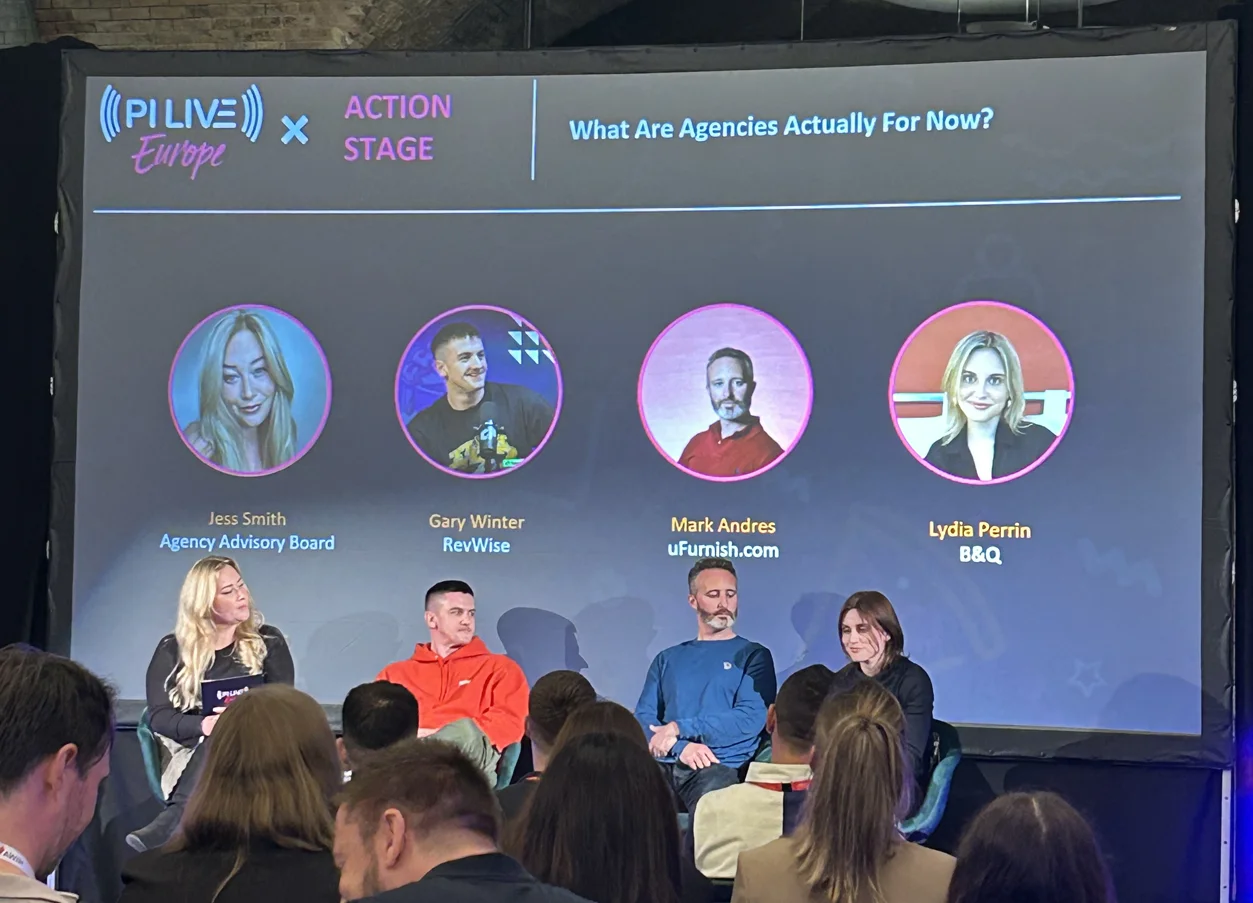
The agency versus in-house debate focused less on whether one model is universally better and more on the value being delivered. Agencies can provide additional resource, tools, expertise and leverage, particularly where an internal team has a capability gap. However, the wrong agency can slow decision-making or reduce commercial opportunities.
The discussion also raised an important question: should agencies act as gatekeepers between brands and partners, or as greeters who facilitate stronger relationships? B&Q’s experience highlighted the appeal of direct brand relationships, while the agency perspective focused on removing waste and reinvesting in channels that serve the client more effectively.
Ultimately, an agency needs to evidence incrementality through collaboration, growth, development, tools, leverage and commercial transparency all being identified as ways to demonstrate value. Access to senior decision-makers is also crucial, helping opportunities to be approved efficiently rather than becoming trapped in lengthy sign-off processes.
Premium brand discounting: balancing performance and desirability
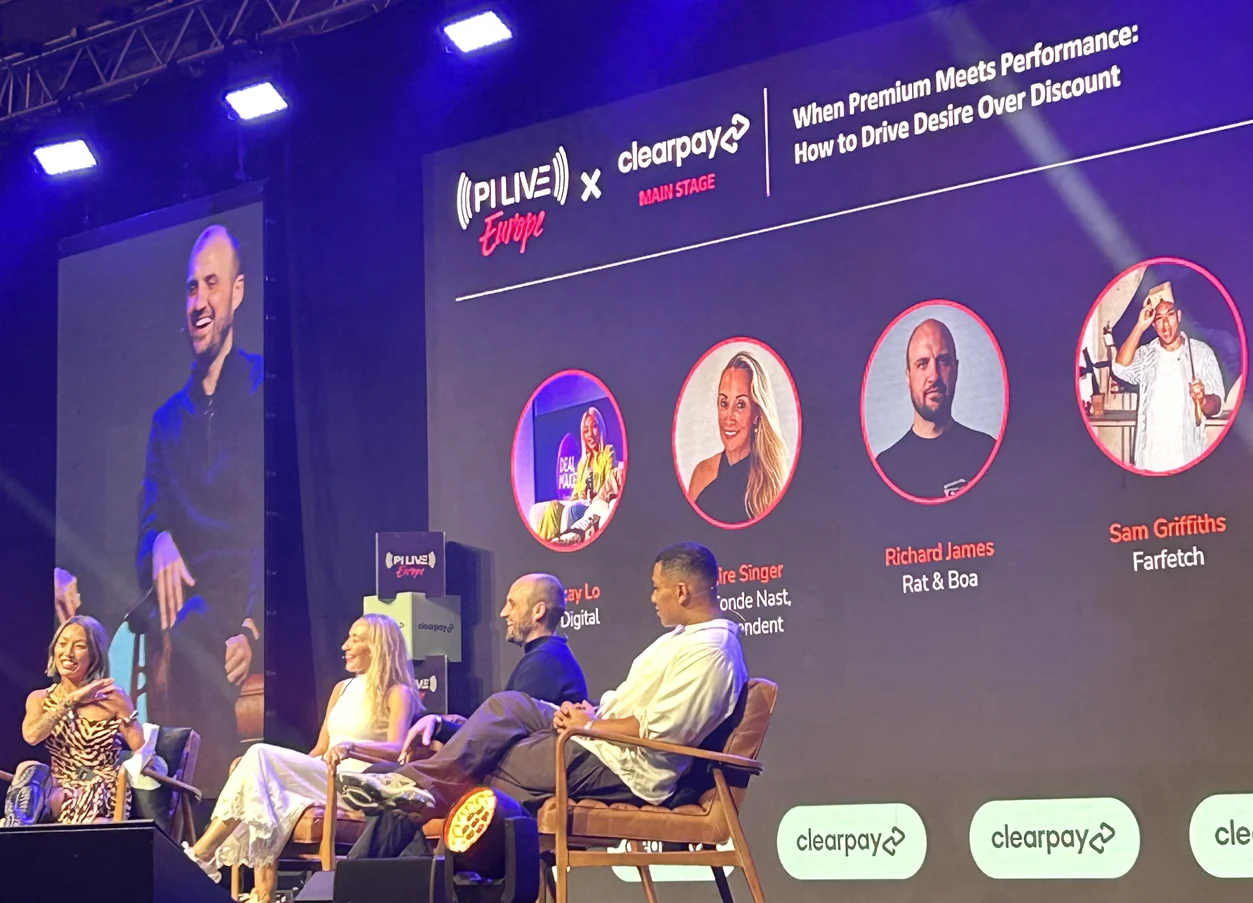
For premium brands, discounting can support performance but also risks weakening long-term desirability. It can be effective when used strategically, such as to address challenging stock, but overuse may train customers to wait for the next sale before making a purchase.
The discussion encouraged brands to balance commercial activity with emotional connection and customer centricity. Rat & Boa’s use of an always-on Net Promoter Score was cited as a way of continuously measuring desirability. The panel also stressed that luxury and premium purchases are often considered decisions, meaning the value of a campaign may emerge over a longer period rather than through an immediate response.
AI in marketing: changing discovery, influence and purchase
AI featured prominently throughout the event. During one session, the speaker’s audience poll indicated a substantial increase in recent AI-agent usage compared with the previous year. The wider point was that AI is quickly becoming part of everyday behaviour and is beginning to reshape how people discover products and interact with brands.
The traditional advertising funnel may remain recognisable, but more of it is taking place through AI interfaces. Product discovery, personalised creative, brand conversations and even purchasing can now happen within AI-supported experiences. This creates an opportunity for brands to deliver more relevant touchpoints, but it also introduces new questions around attribution and visibility.
The affiliate marketing discussion reinforced this point with customers still wanting to research and buy, but the route they take is changing. Brands and publishers may contribute valuable information without securing the final click. Creating original research, distinctive content and useful information increases the likelihood of being referenced by search engines and AI tools. Unique URLs can also help demonstrate involvement in a later sale.
Open-web reach vs targeted audiences in performance marketing
The debate between the open web and closed user groups illustrated another key trade-off. Established publications can offer scale, familiarity and trust, while closed groups such as UNiDAYS can provide more granular targeting.
Neither approach is automatically superior, the priority is ensuring the audience, environment and offer are relevant to one another. A broad audience is of limited value if the proposition is poorly matched, while precise targeting will not compensate for an offer that lacks genuine customer appeal.
PI Live Europe 2026 takeaways: performance marketing beyond the final click
PI LIVE Europe 2026 showed that performance marketing is moving beyond a simple click-and-conversion model. Customers move between platforms, content, conversations and AI-generated answers before buying. As a result, the organisations that influence a purchase may not be the ones credited with the final transaction.
The response is not to abandon performance measurement, but to broaden it. Brands, agencies and publishers need to connect visibility and influence with revenue, combining attribution data with measures of trust, desirability, engagement and incrementality.
Across every discussion, relevance was the unifying factor, Gen Z expects authenticity and utility. Premium customers need reasons to desire rather than simply discount, partners need to add demonstrable value and AI systems need authoritative information worth referencing. The brands that succeed will understand their role, create something genuinely useful and remain visible throughout the increasingly complex customer journey.