

Written by Adem Aplin & Jessie Wolmark
Loyalty has moved firmly into the mainstream
That was the central message from Mando’s latest Whitepaper event, where new research revealed record levels of loyalty programme membership and increasingly sophisticated customer expectations.
Held on Thursday 12 November, Mando held it’s Loyalty Dynamics 5.0 event which launched its latest white paper, ‘What the British Want from Loyalty Programmes 5.0‘, sharing new research into UK loyalty programme trends, membership and the rewards and experiences British customers value. Opening proceedings, Becky Munday set an encouraging tone by revealing that every loyalty statistic had increased.
Loyalty in a Changing World
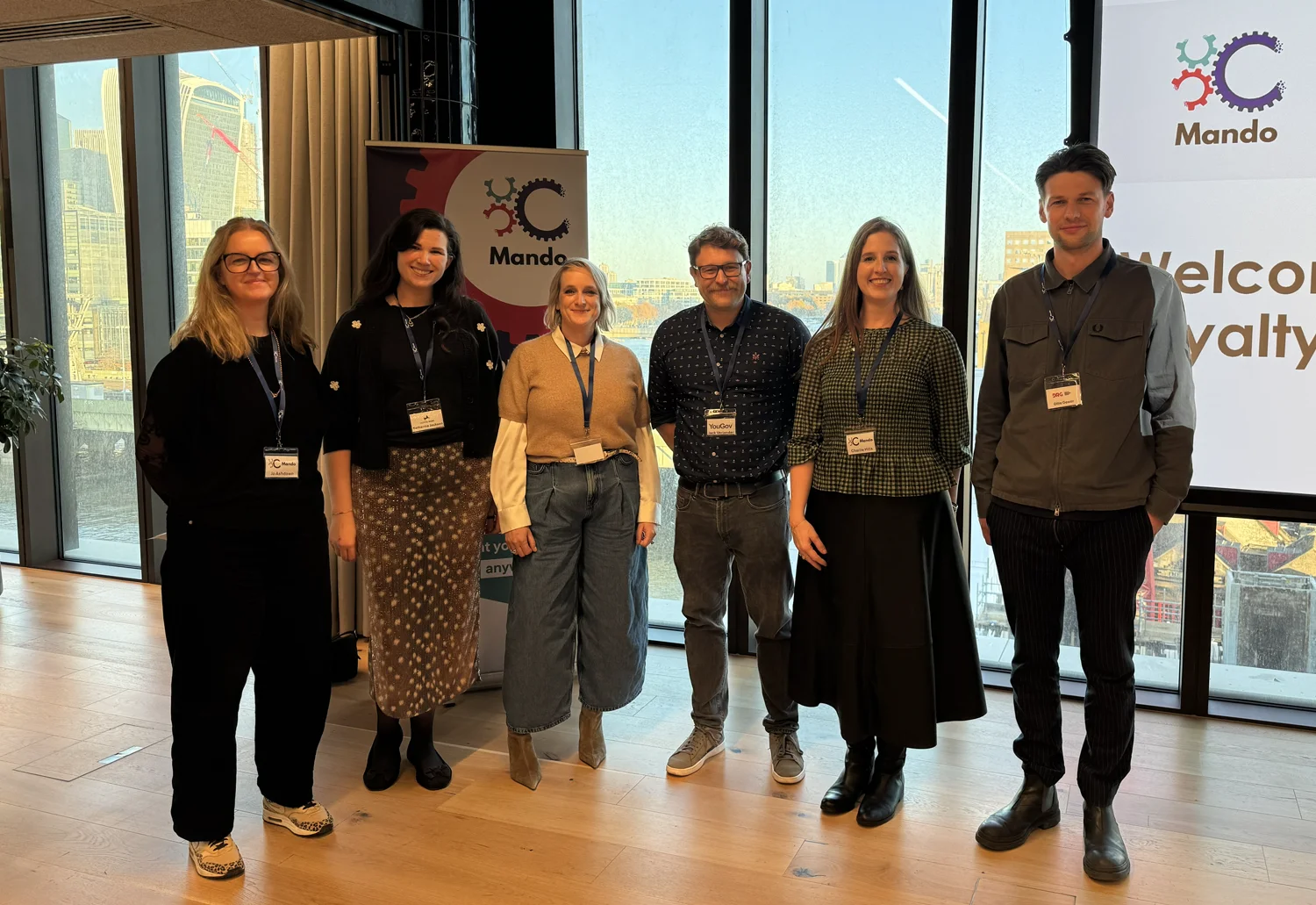
Charlie Hills, CSO of Mando, and Jack Verlander, Key Account Director at YouGov, began by explaining why this research is particularly relevant today.
The world continues to change rapidly. Economic uncertainty remains, the cost of living is still a major concern and, although the UK may not technically be in a recession, consumer behaviour is increasingly reflecting recessionary conditions.
British consumers are becoming savvier as a result. They are looking more carefully at where and how they spend their money, while expecting their loyalty programme memberships to work harder for them than they did four years ago. For brands, this makes understanding what customers genuinely want more important than ever.
The biggest takeaway is that loyalty has hit the big time. Membership is now at an all-time high, with new brands, programmes and platforms continuing to enter the sector. An impressive 96% of British consumers find at least one loyalty programme appealing, while 82% are members of at least one programme.
The average British consumer now belongs to six loyalty programmes, demonstrating just how embedded loyalty has become in everyday purchasing habits. It may now be easier to identify the brands that do not have a loyalty proposition than those that do.
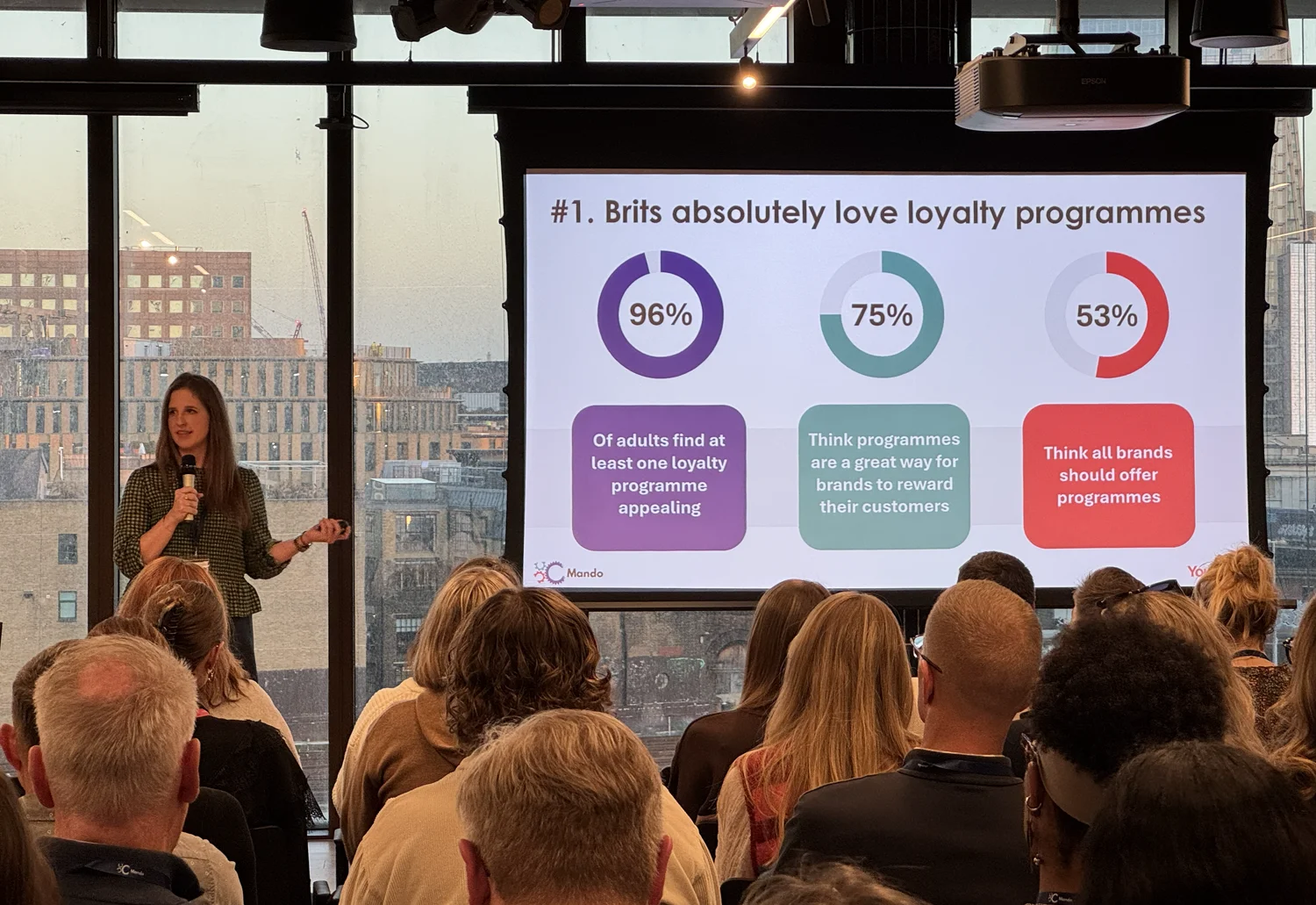
The research presented at Loyalty Dynamics 5.0 underlines the competitive nature of the UK loyalty market, where relevant rewards and distinctive experiences can help programmes stand out.
For programme operators, this also means that inspiration should not be limited to their immediate competitors. Brands can benefit from looking beyond their own sectors to understand which mechanics, rewards and experiences are successfully engaging customers elsewhere.
“My favourite part was hearing that 68% of consumers say they enjoy receiving partner rewards. I think this really highlights how important partnerships have become within loyalty programmes and the value they bring to the overall customer experience! It was particularly interesting to see just how much consumers appreciate rewards that go beyond the traditional points-based approach!”
Membership Does Not Always Equal Activity
One of the research’s new areas of focus was the difference between male and female loyalty behaviour.
On average, women are members of seven programmes, compared with five for men. However, men appear to be more active within the programmes they join, with activity levels of 63% compared with 49% among women.
This distinction between membership and active participation is important. Simply persuading someone to register is not enough. Successful programmes must give members clear and compelling reasons to return, interact and redeem their rewards.
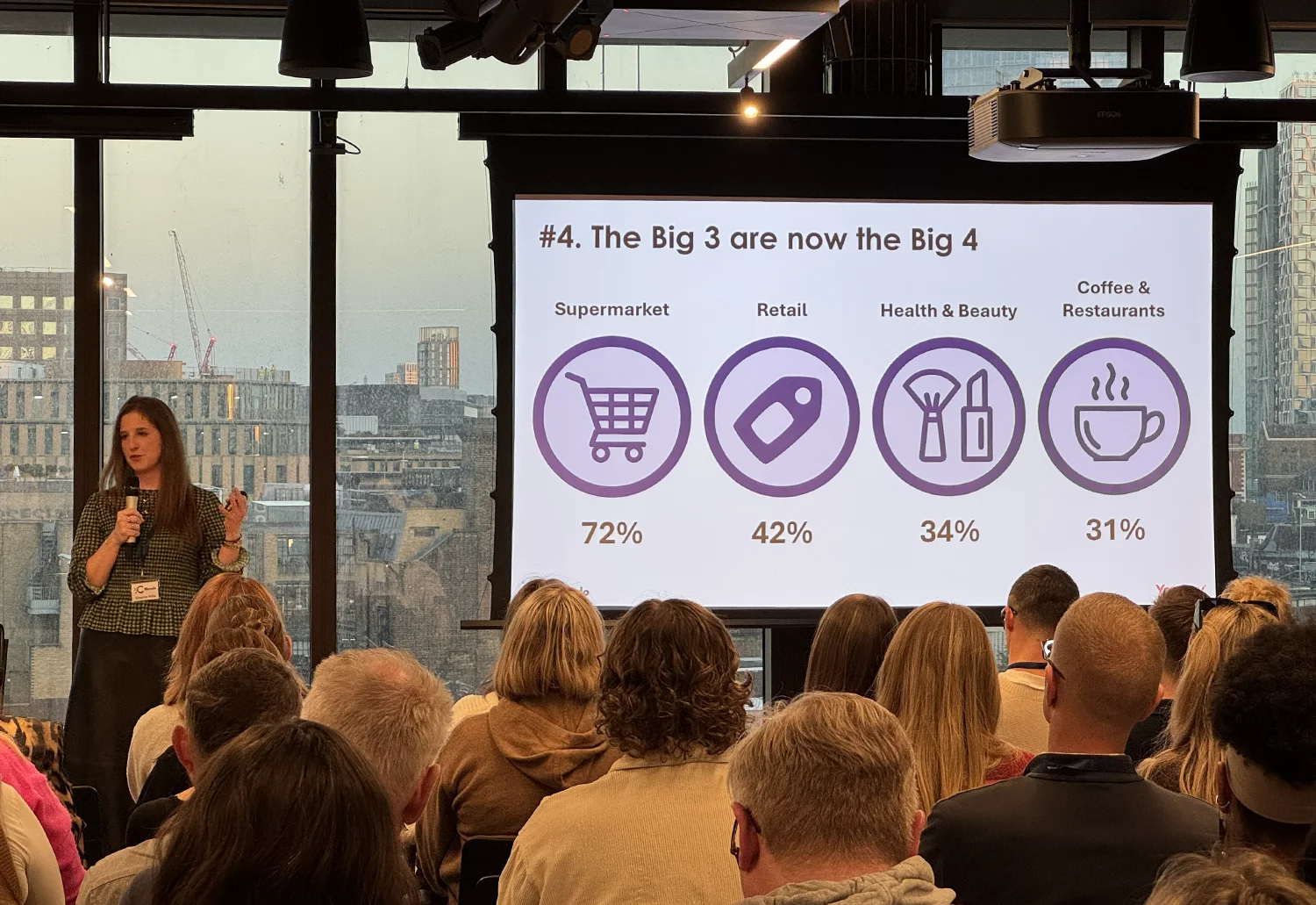
The research also found that the traditional ‘big three’ loyalty sectors have become a ‘big four’: supermarkets, retail, health and beauty and coffee and restaurants.
Promotions and Gamification Remain Powerful
Leonie Walker, Managing Director of Mando Promotions, explored the continued importance of promotions within the customer experience.
The figures demonstrate strong consumer demand. Some 78% of British consumers participate in promotions, while 74% believe that all brands should offer them. Examples from Vodafone, Octopus and KFC showed how promotions can be used by very different organisations to engage customers and create memorable interactions.
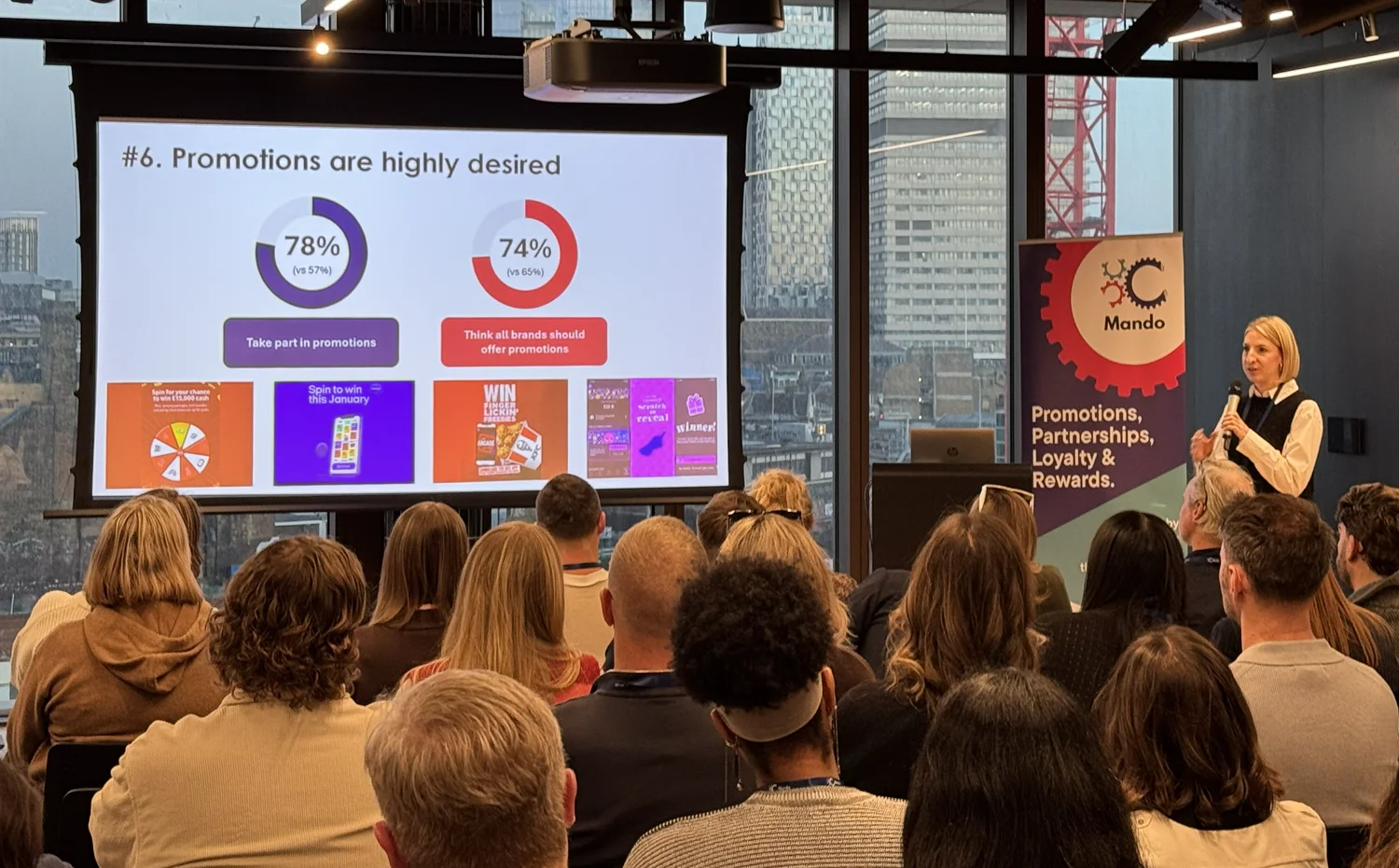
Charlie then spoke on Gamification, which is another increasingly important part of loyalty programmes today. The latest findings place Spin to Win at the top of the popularity rankings for gamified mechanics.
The advice for brands was not to introduce change simply for the sake of it. As Charlie observed, programme providers are often more likely to become bored with a mechanic before their audiences do. Rather than constantly replacing a successful idea, brands should focus on executing it well, repeating it, optimising the experience and building familiar customer behaviour. Consistency can be more effective than an endless stream of new mechanics, particularly when customers already understand and enjoy participating.
Ultimately, rewards remain the strongest driver of interest and the most important element to get right. The good news for the industry is that the impact of loyalty programmes is now stronger across all key metrics.
Why Partnerships Matter
Jo Ashdown, Managing Director of Mando Connect, then turned the focus to brand partnerships and the role they can play in creating more effective loyalty propositions.
At Loyalty Dynamics 5.0, the discussion highlighted how well-chosen partnerships can extend a loyalty programme’s relevance, variety and value for customers.
Many of the world’s biggest brands and programmes already use partnerships, but their value goes far beyond providing an additional reward. Partnerships can help programmes reduce liability by encouraging customers to engage and spend more frequently. They can also support variety by continually introducing something new to play for beyond a brand’s own products and services.
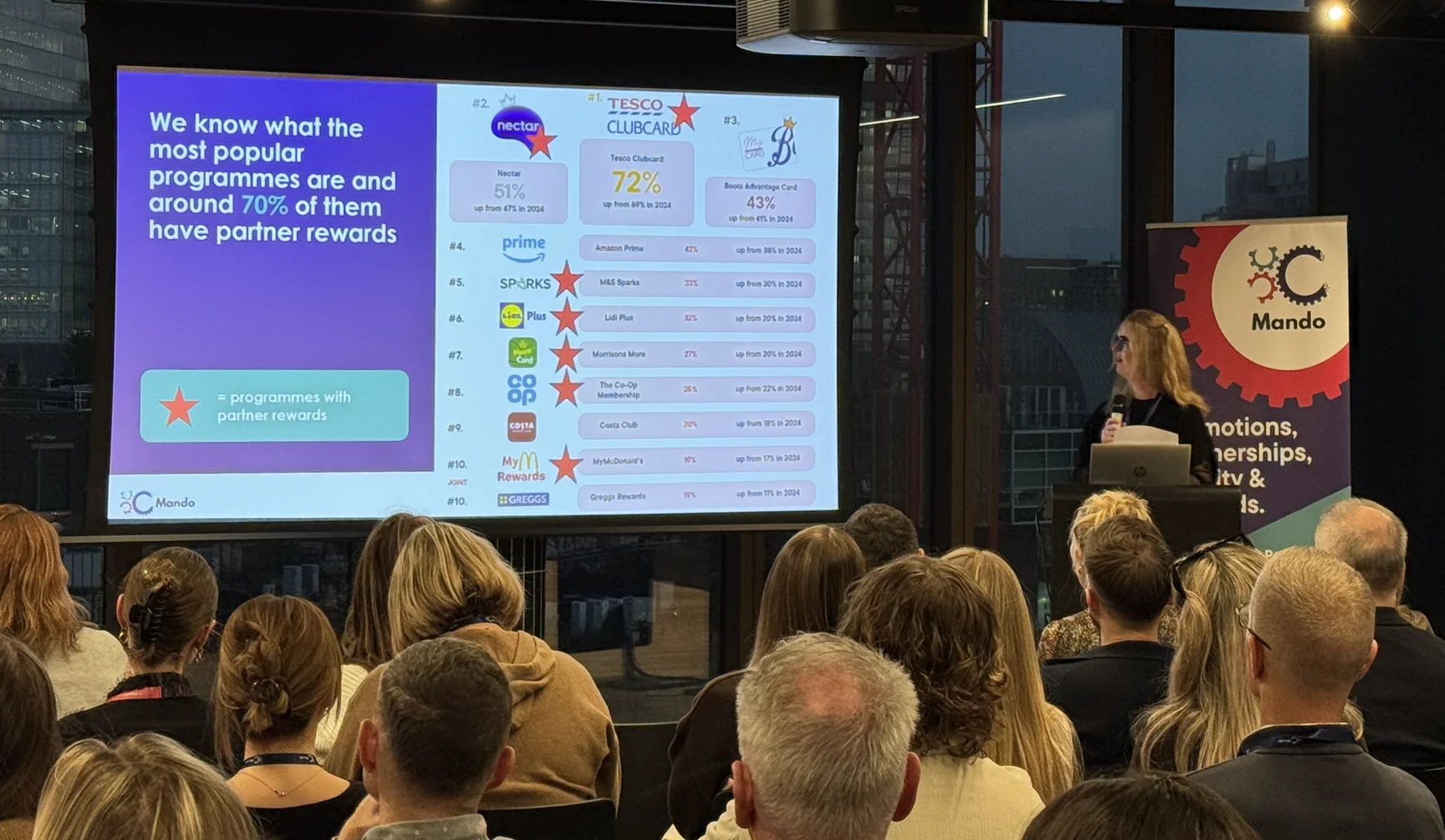
Partnerships can widen a programme’s appeal, motivate customers and deliver additional value, including value in kind. When developed effectively, they can also create opportunities to generate revenue back into the programme.
Perhaps most importantly, partnerships provide freshness. They allow loyalty programmes to remain relevant by offering a broader mix of benefits that reflects the different needs, interests and lifestyles of their members.

“It was awesome to attend and be a part of the Whitepaper event, my two favourite takeaways were that loyalty has hit the big time which enhances how great it is to be involved in this space and secondly that Spin to Win’s are the most popular gamified mechanic given they are a large part of my day to day!”
Put the Customer Before the Logo
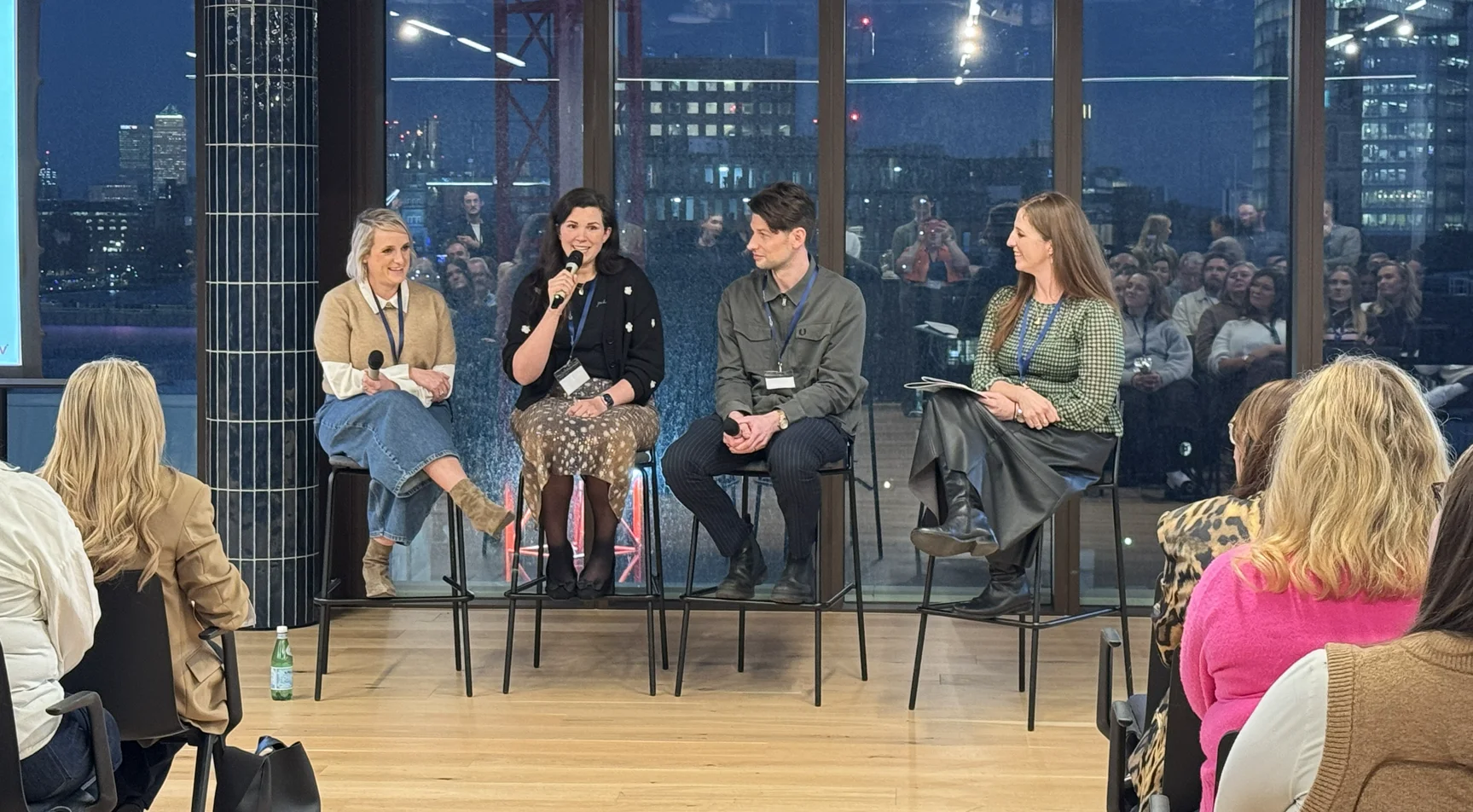
The event concluded with a panel discussion hosted by Charlie Hills, featuring Louise Dorow, Head of Loyalty at VodafoneThree; Katherine Jackson, Loyalty Partnerships Manager at Lloyds; and Ollie Gower, Chief Product Officer at DRG.
The panel explored how partnerships are used within their respective programmes, examples of partnerships they admired and the advice they would give to organisations beginning their own partnership journey.
Despite working across different sectors, the discussion revealed that many loyalty brands are seeking similar outcomes. They want to increase engagement, strengthen customer relationships and deliver meaningful value without making the experience unnecessarily complicated.
Simplicity remains essential. Brands must understand their audience, make participation easy and ensure that every partnership serves a clear customer need “Customer first brand logo second”
It is a useful principle for any loyalty programme. The strongest partnerships are not necessarily those involving the most recognisable names. They are the ones that provide the greatest relevance and value to the customer.
A Maturing Industry With More Room to Grow
The findings from ‘What the British Want from Loyalty Programmes 5.0‘ portray an industry in a strong position. Membership is at a record high, customers remain enthusiastic about promotions and gamification, and partnerships are creating new ways for programmes to offer relevance, variety and value.
The challenge for brands is no longer simply convincing customers to join. It is giving them reasons to participate consistently.
That means understanding the audience, selecting rewards that genuinely motivate them and resisting the temptation to overcomplicate the experience. Loyalty programmes that combine customer insight with simple mechanics, relevant rewards and carefully chosen partnerships will be best placed to turn record membership into sustained engagement.
If you’re looking to strengthen customer loyalty, increase engagement or create more value for your customers, get in touch with Mando. We help brands build stronger customer connections through loyalty, promotions and partnerships, creating engaging experiences that support their goals.