

In a recent survey, Mintel found that the majority (61%) of UK loyalty programme members now prefer instant rewards such as special member prices vs. longer term point collection – fast and slow loyalty. This preference was even more evident in younger age groups (16–24 and 25-34’ year-olds) at 72%.
61% of all loyalty programme members say that instant rewards are better than longer-term rewards
– Mintel Loyalty in Retailing 2024
In our fast-paced world, instant gratification has become the norm, especially for digital natives who have grown up with the presence of digital technology and instant access to information and services. Even physical goods are now available to us in a matter of minutes, thanks to the likes of Amazon and other on-demand delivery services. It is little wonder then that consumers want this same immediacy reflected in their loyalty preferences and are coming to demand instant recognition in return for their brand choices.
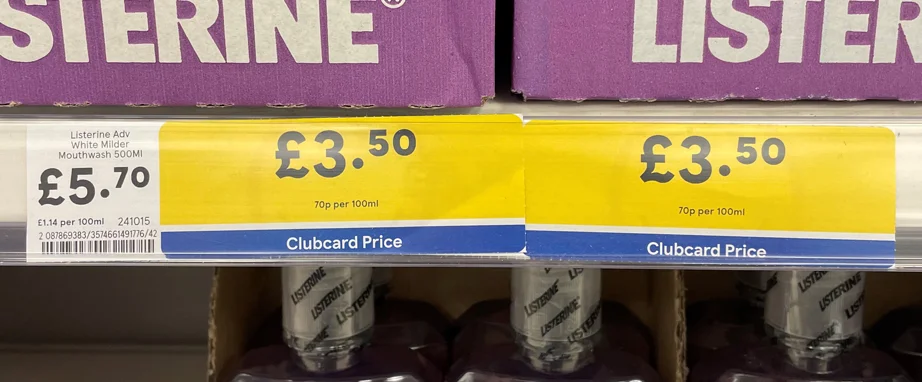
Those brands who have responded to this growing need have certainly benefited. Tesco Clubcard was the first to introduce member pricing in the UK and this mechanic has been an instrumental part of the programmes growth, with customers feeling that they can no longer afford not to be members when such advantageous pricing is made so abundantly clear, through shelf labels and end of aisle displays.
In the face of such a shift in consumer mindset, marketeers could be forgiven for switching strategies towards a much shorter behaviour-reward cycles. It is, however, important to consider the drawbacks of putting all your eggs in the ‘instant gratification’ basket. Firstly, an over reliance on instant rewards can create a more transactional relationship with your customer as they come to expect each positive action to result in reward. This sense of entitlement may inadvertently make customers fickler, especially if the rewarding behaviour stops at some point or is reduced in some way – just look at how customers responded to Waitrose taking away their free coffee and the resulting uproar. Secondly, there is an opportunity cost that comes with this short-term focus. Relying solely on instant rewards may be at the expense of longer-term, brand building, loyalty activities and be more limiting to brands who are seeking to build deeper, more emotional connections with their customers.
Slow loyalty can still advantageous
Whilst less popular with consumers, creating longer behaviour-reward cycles may be advantageous to brands as it gives them the chance to create a deeper sense of commitment and reward customers for their sustained engagement. The actual loyalty perks themselves can also be bigger and better as brands can afford to reward fewer, better customer engagements. There is also a perceived value benefit as the consumers sense of anticipation and investment increases their sense of privilege. Just think how much more special it feels to cash in your airmiles for a free flight vs. getting a slightly cheaper basket at the supermarket checkout.
The challenge for loyalty marketers it seems, is striking the right balance between fast, tactical incentives that reward instantly and slower, harder earned, and more meaningful benefits that help foster and recognise true brand loyalty. The exact mix of two approaches will vary by sector, audience and brand type but incorporating a little of each into your programme will be key to its success in today’s fast paced world.
Some brands leaning into fast loyalty
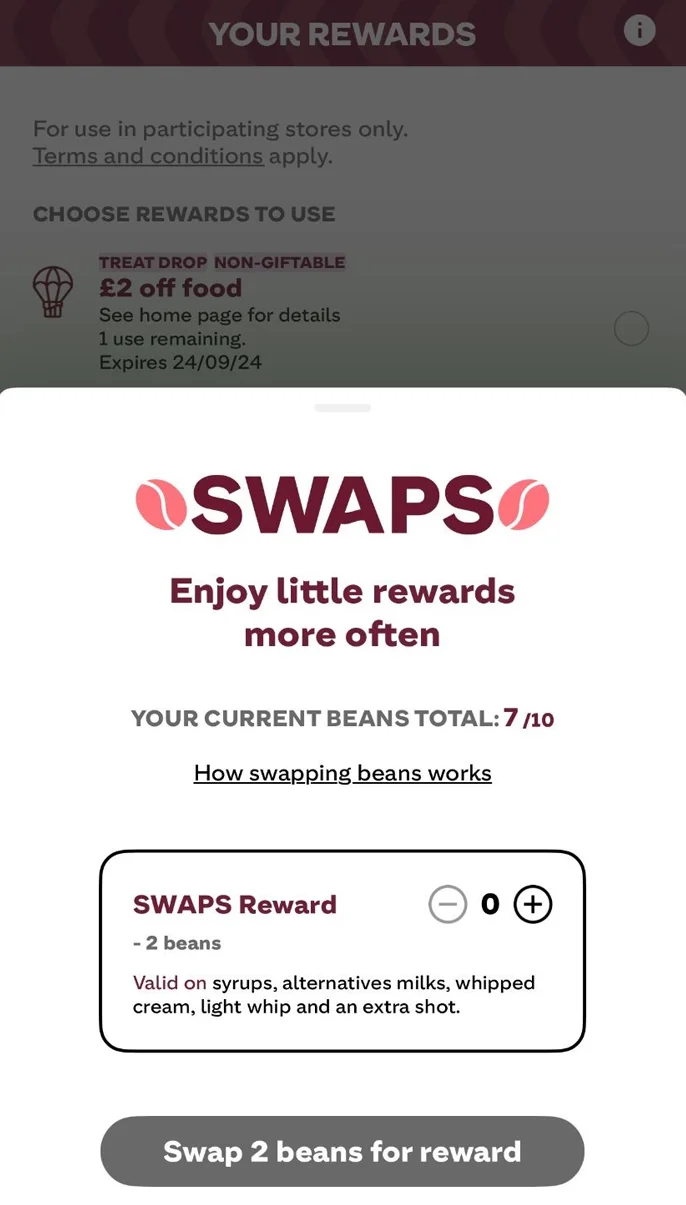
A recent example of a brand finding a way to reward customers earlier on in their behaviour-reward cycle comes from Costa Coffee in the UK. In August 2024, Costa announced a shake up to their existing programme with the introduction of ‘Swaps’ which moved on from the classic stamp card format which previously only allowed members to redeem a free drink once they’d collected 10 ‘beans’. The new feature now allows customers to treat themselves to smaller rewards such as an extra shot of coffee, earlier and more often by exchanging their beans at any point before the 10 bean mark.
Conclusion
The loyalty landscape is evolving rapidly. While the allure of instant gratification is undeniable, particularly for younger generations, brands must resist the urge to solely focus on short-term rewards. A successful loyalty programme in today’s market requires a nuanced approach – a strategic blend of instant incentives that provide immediate value and long-term rewards that cultivate deeper emotional connections and recognise true brand loyalty.