

In the below webinar, Ogilvy On Live define and describe the four dimensions of loyalty, as outlined in a brand new original research-based report from Ogilvy One, Campaign’s Customer Engagement Agency of the Year. Those dimensions are: Principle, Potential, Culture, and Community.
Then, Ogilvy One’s Global President Clare Lawson and Head of Strategy EMEA, Dayoan Daumont moderates a discussion that focuses on how brands and marketers can put each dimension into action in order to build lasting loyalty. Featuring our own Chief Strategy Officer, Charlie Hills.
Loyalty trends and programmes are evolving at an extraordinary pace in 2025
According to Antavo’s Latest 2025 Global Customer Loyalty Report a whopping 72.7% of companies are actively innovating or revamping their loyalty programmes to better meet changing customer expectations and market demands. If you’re not evolving your loyalty strategy right now, you’re already behind.
Read on to learn about some of the latest trends in loyalty marketing and how programmes are employing them to turbo boost customer engagement and business impact. Whether you’re a loyalty veteran or just dipping your toes in, this is your roadmap to smarter, more impactful loyalty marketing.
1. Emotional Loyalty: From Transactions to Trust
There’s a seismic shift happening – from focus on rational rewards and functional programmes and points to emotional engagement and experiences. Customers now expect brands to understand and reflect their values. Loyalty isn’t earned just through discounts but through empathy, authenticity, and shared purpose. A huge part of new loyalty trends.
Insight:
Forrester’s CX Index data has consistently showed that three emotions bind customers to brands: “Brands must make customers feel appreciated, happy, and valued to grow emotional loyalty”.
Case Study:
Take Patagonia. It’s not a traditional loyalty programme at all, but the brand’s environmental activism and “Don’t Buy This Jacket” campaign have created fierce loyalty. Customers feel good about their purchase, not just because it’s quality gear, but because they’re supporting something bigger. Boots Advantage Card, PizzaExpress Club, Benefit Loves, Pets Club and the Co-Op Membership are big loyalty programmes that are really focusing on building deep emotional connections with their members.
Ready to build loyalty that lasts and is always up-to-date with loyalty trends? Start by asking what your customers truly care about – and how your brand can champion it.
2. Better Together: The power of partnerships to offer more
In a highly sophisticated loyalty market with many loyalty trends like the United Kingdom, going it alone is unwise. Why pass up the chance to achieve more, offer more and connect more deeply with your audience, all at lower cost than going solo? Brand Partnerships are redefining what value looks like – bringing together complementary brands to offer richer, more seamless customer value propositions, rewards and experiences.
Insight:
According to Bond’s Loyalty Report, 68% of consumers say they’re more likely to engage with a programme that offers partnerships and flexibility across brands. Ogilvy One’s 2025 Report on “Loyalty in the Age of the Emotional Consumer” highlighted “The Power of the Collective” as one of the 4 approaches to make loyalty and CRM succeed. Our “What the Brits Want from Loyalty Programmes” found that 63% of Brits like it when a programme offers partner rewards.
Case Study:
There are multiple examples of brand partnerships in action in UK Loyalty Programmes.
The biggest coalition is the Nectar Loyalty Programme, which brings together the likes of Sainsbury’s, British Airways, Esso, Argos and more. By creating a unified ecosystem, Nectar lets customers earn and spend across their daily life – building habitual engagement and stickiness.
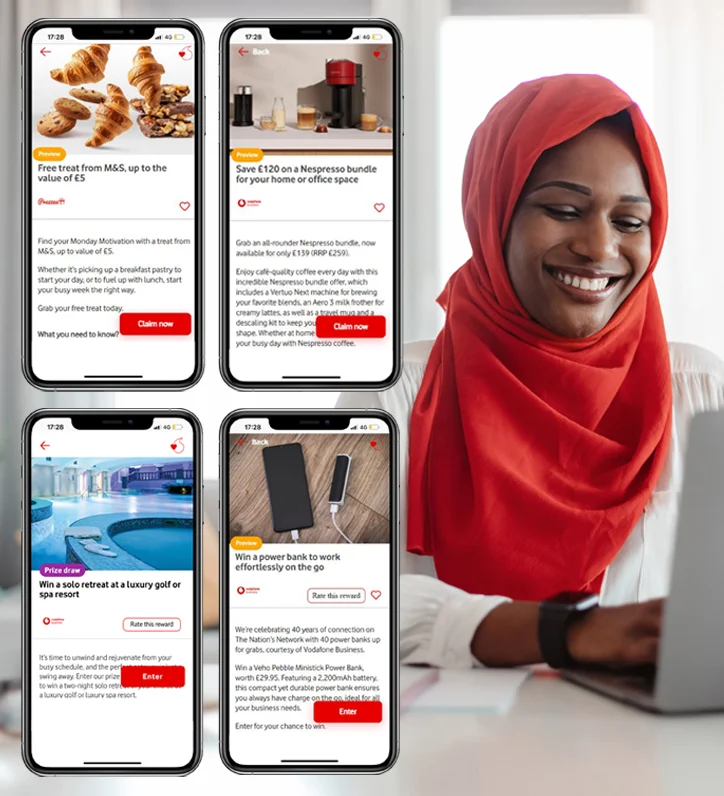
VeryMe Rewards from Vodafone is a great example of a brand leveraging the power of brand partner rewards to connect Vodafone customers to rewards they love – from big ticket rewards like tickets to Wimbledon to everyday rewards like cinema tickets, coffees and little treats.
3. Personalisation Powered by AI and First-Party Data
Mass emails are out. Hyper-relevance is in. The most effective loyalty programmes in 2025 use AI and smart data strategies to serve content, offers, and experiences that feel personally crafted. A very advanced and large part of modern loyalty trends.
Insight:
McKinsey reports that companies who personalise experience across channels see a 5 – 15% revenue lift – and loyalty plays a key role in that. Our YouGov Data reveals that 58% of Brits are more likely to join a loyalty programme if it demonstrates it understands them and offers a personalised experience (YouGov Profiles 27.04.25).
Case Study:
Sephora’s Beauty Insider programme nails this. Using purchase history and beauty preferences, it offers tailored product recommendations, early access to launches, and exclusive in-store events. Members don’t feel like a number; they feel seen and understood. Starbucks Rewards is another great example of a loyalty programme using AI to tailor reward recommendations and customer communications.
4. Subscription-Based Loyalty: The New Premium Club
Why give away rewards when your customers are happy to pay for them? Subscription-based loyalty models are gaining momentum – providing access to perks, content, or services in exchange for a recurring fee. Sometimes as standalone programmes, sometimes as top tier within an existing programme.
Insight:
Amazon Prime isn’t just a delivery perk. It’s a behavioural powerhouse, driving frequency, engagement, and spend. According to Consumer Intelligence Research Partners, Prime members spend almost twice as much annually as non-members.
Case Study:
Tesco Clubcard Plus and Amazon Prime are two of the biggest subscription-based loyalty programmes in the British Market. Both leverage all 4 loyalty bonds (emotion, structure, finance and social) to create loyalty worth paying for. We are also seeing the rise of the model in other sectors such as Leisure (check out ODEON Limitless) and Food (see Deliveroo Plus).
Thinking of launching a paid loyalty model?
5. Gamification
Gamification is a serious business in new loyalty trends. It drives consumer love, habit and advocacy and brings real joy to the loyalty experience. The best loyalty programmes are learning from the gaming industry – we are seeing the rise of missions, dopamine fuelled win-experiences, badges, achievements, leader boards, streaks and social elements that tap into human psychology in almost every programme in the market. The technological capability of the loyalty platforms has finally caught up with the imagination of loyalty marketers!
Insight:
In Open Loyalty’s 2025 Trend Report Gamification was recognised at the most significant loyalty trend of the moment.
Case Study:
There are countless examples in action but these are 3 of my favourites:
- The Caffe Nero Christmas Cracker – members of the programme shake to win coffee and partner prizes, bringing even more Christmas Cheer to the coffee experience.
- McDonald’s Monopoly – open to everyone but now intrinsically linked to MyMcDonald’s through the digital app this long running licensed promotion sets the standard for gamified experiences for brands across the planet.
- Asda Rewards Missions – were the first in the grocery sector in the UK and help members build their cash pots faster by completing specific instore missions, tailored to each customer. Nearly all the other grocers have followed suit.
6. Sustainability as a Loyalty Driver
Today’s consumers want to do good while doing business. Sustainability is no longer a CSR side dish – it’s a central ingredient in loyalty strategy. Programmes that reward sustainable choices are seeing growing traction. You have to be in it for the long term though, members see through short term greenwashing tactics.
Insight:
Unilever found that 33% of consumers are now choosing to buy from brands they believe are doing social or environmental good. 45% of adults agree that making sure a brand’s value aligns with their own is a top priority when purchasing a product (Mintel). 51.96% of consumers would remain loyal to brands with eco-friendly practices (Comarch).
Case Study:
IKEA’s “Buy Back & Resell” initiative allows loyalty members to return old furniture for store credit. It supports circularity, creates footfall, and deepens trust. Similarly, H&M’s Conscious Points reward customers for recycling clothes in-store. Costa Coffee Clubs rewards are twice as good for customers who bring a reusable cup, rather than buying a Costa one in store.
Loyalty Trends: The Big Picture
These aren’t fads – they’re signposts to the future. There’s no one-size-fits-all. But the principle is the same: loyalty is earned, not bought and we all need to be looking ahead, thinking ahead and acting for the long term – to earn loyalty that lasts.
Want to evolve your loyalty strategy? Start by exploring how brand partnerships can unlock new value – and where your programme can deliver emotional, not just transactional, relevance.